Convincing a Loved One to Attend Rehab

Going to rehab is a life-changing decision for anyone. Convincing a loved one to attend rehab though, can seem like a daunting and impossible task. There are some pointers that can be given that could potentially make the topic of rehab more approachable and potentially help with having a positive outcome. Understanding how to approach a loved one, and effectively communicate on the topic can help in the quest to get them the vital help that they need.

Research the Effects of Addiction

Knowing how 12>addiction can affect someone can be beneficial in the attempt to get them help. Education on the topic can help someone understand what their loved one is enduring and approach the topic and situation with empathy and understanding. Convincing a loved one to attend rehab is not an easy task. From denial to aggression, it can be an extremely sensitive topic that someone should be educated about before approaching their loved one. Having the knowledge about how addiction affects them and their ways of thinking can help to make the task easier.

Communicate with Empathy and Firmness

When a loved one is struggling with addiction, it can seem as though they don’t care. The reality is, that they probably care more than loved ones may think. They are struggling with a monster and more than likely being extremely hard on themselves as a result. Approaching them and communicating in an empathetic way can pave the way for them to get proper care. Being sensitive to what they are going through, voiding judgemental statements and attacks, and working with them, as a team, can be beneficial in convincing a loved one to 12>attend rehab. 

Have an Intervention

Professional interventions can have a huge impact on convincing a loved one to attend rehab. Addiction professionals are trained to help those who are struggling to come to terms with the fact that they need help. They are also trained in helping loved ones to approach them in a productive manner. The professional addiction interventionist can assist in guiding the family and friends involved as they approach their loved one. This can help to ensure a less explosive situation, paving the way for a productive and successful conversation.

Understand How Denial Impacts Decision to Attend Rehab

Denial is a huge part of addiction. Often, those who are struggling with addiction are in denial of the severity of the impacts that addiction is having on them and their life. Understanding that this denial of severity can lead them to believe they don’t need to go to rehab can help prevent frustrations and, inevitably, a breakdown in communication. Having productive communication can make the task of getting a loved one help a lot easier. 

Anticipate and Prepare for Common Barriers to Going to Rehab

There are always reasons that people give as to why they cannot go away to a rehab program. Being properly prepared with rebuttals to these barriers can help when convincing a loved one to attend rehab. While these barriers may seem impossible to overcome, having a realistic and rational plan in place to address them can help the addicted loved one feel heard and understood. It can also help the friends and family of the person that is struggling to approach their loved one with a solution, rather than ultimatums.

Seek Therapy for Yourself if Necessary

Therapy is sometimes a necessary starting point for those who are convincing a loved one to attend rehab. Addiction is a 12 nofollow noopener noreferrer3>family disease, it doesn’t just affect the person using drugs and alcohol. The impacts of watching a loved one slowly deteriorate as a result of drug and alcohol abuse can be detrimental to family and friends. They must take care of themselves in order to be able to address their addicted loved ones in a positive and productive manner. 

Attend Family Therapy/Family Support Groups

12>Family therapy and family support groups can help to create further understanding. When loved ones are able to hear that they aren’t alone in the things they are dealing with, it helps them to find a positive support group that can help as they continue on the journey. Convincing a loved one to attend rehab can be physically and mentally draining. Having proper and consistent support to help walk someone through inevitably distressing situations is crucial to being able to support and encourage their loved ones to seek help. 

Getting Better in Louisville, KY

Standing by and watching as a loved one slowly deteriorates as a result of struggling with addiction to drugs and alcohol can be difficult for anybody. The impacts that addiction has on an individual can be severe, and lead to changes that can be detrimental to their physical, mental, and emotional well-being. If you or a loved one are struggling with addiction, there is hope for a better life. Louisville Addiction Center can help. We offer an approach to treating addiction that can help an individual begin living a normal and productive life that can have healthy results. 12>Contact us today and begin a journey to recovery.
Educational & Informational Use

The content published on Louisville Addiction Center blog pages is intended for general educational and informational purposes related to addiction, substance use disorders, detoxification, rehabilitation, mental health, and recovery support. Blog articles are designed to help readers better understand addiction-related topics and explore treatment concepts, but they are not a substitute for professional medical advice, diagnosis, or individualized treatment planning.

Addiction and co-occurring mental health conditions are complex medical issues that affect individuals differently based on many factors, including substance type, length of use, physical health, mental health history, medications, age, and social environment. Because of this variability, information discussed in blog articles—such as withdrawal symptoms, detox timelines, treatment approaches, medications, relapse risks, or recovery strategies—may not apply to every individual. Reading blog content should not replace consultation with licensed medical or behavioral health professionals.

If you or someone you know is experiencing a medical or mental health emergency, call 911 immediately or go to the nearest emergency room. Emergencies may include suspected overdose, seizures, difficulty breathing, chest pain, severe confusion, hallucinations with unsafe behavior, loss of consciousness, suicidal thoughts, or threats of harm to oneself or others. Louisville Addiction Center blog content is not intended for crisis intervention and should never be used in place of emergency care.

Detoxification from drugs or alcohol can involve serious medical risks, particularly with substances such as alcohol, benzodiazepines, opioids, and certain prescription medications. Withdrawal symptoms can escalate quickly and may become life-threatening without proper medical supervision. Any blog content describing detox, withdrawal, or substance cessation is provided to raise awareness and encourage safer decision-making—not to instruct readers to detox on their own. Attempting self-detox without medical oversight can be dangerous and is strongly discouraged.

Blog articles may discuss various addiction treatment options, including medical detox, residential or inpatient rehab, outpatient programs, therapy modalities, medication-assisted treatment, aftercare planning, and recovery support services. These discussions reflect commonly used, evidence-informed approaches but do not represent guarantees of effectiveness or suitability for every person. Treatment recommendations should always be based on a comprehensive assessment conducted by licensed professionals.

Information related to insurance coverage, treatment costs, or payment options that appears within blog content is provided for general informational purposes only. Insurance benefits vary widely depending on the individual’s plan, carrier, state regulations, and medical necessity criteria. Coverage details may change without notice, and no insurance-related statements on blog pages should be interpreted as a promise of coverage or payment. Louisville Addiction Center encourages readers to contact our admissions team directly to verify insurance benefits and eligibility before making treatment decisions.

Some blog posts may reference third-party studies, external organizations, medications, community resources, or harm-reduction concepts. These references are provided for educational context only and do not constitute endorsements. Louisville Addiction Center does not control third-party content and is not responsible for the accuracy, availability, or practices of external websites or organizations.

Use of Louisville Addiction Center blog pages does not establish a provider–patient relationship. Submitting comments, contacting the center through a blog page, or reading articles does not guarantee admission to treatment or access to services. Recovery outcomes vary, and no specific results are promised or implied.

If you are struggling with substance use, withdrawal symptoms, or questions about treatment, we encourage you to seek guidance from licensed healthcare providers. For personalized information about treatment options or insurance verification, you may contact Louisville Addiction Center directly. For emergencies, call 911 immediately.

→ Sources
  1. Alcohol Rehab Help. (2022). Alcohol statistics in Kentucky. Alcohol Rehab Help. https://alcoholrehabhelp.org/kentucky/alcohol-statistics/
  2. Healthy KY. (n.d.). Drug and alcohol statistics in Kentucky. Healthy Kentucky. https://www.healthyky.org/drug-and-alcohol-statistics-in-kentucky.html
  3. Kentucky Office of Drug Control Policy. (n.d.). An assessment of Kentucky’s substance use disorder crisis. Commonwealth of Kentucky. https://odcp.ky.gov/
  4. Kong, J. (2022). An assessment of alcohol use disorder and treatment [Research brief]. University of Louisville. https://louisville.edu/sphis/departments/cik/docs-and-pdfs-1/Kong_AUD_ResearchBrief_FINALADA.pdf
  5. Substance Abuse and Mental Health Services Administration. (2019). State profile: Kentucky—N-SSATS report. SAMHSA. https://www.samhsa.gov/data/sites/default/files/quick_statistics/state_profiles/NSSATS-KY19.pdf
  6. Substance Abuse and Mental Health Services Administration. (2024). Underage drinking prevention programs in Kentucky. SAMHSA. https://library.samhsa.gov/sites/default/files/kentucky-iccpud-state-report-2024.pdf
  7. Wikipedia. (2025). Casey’s Law (Matthew Casey Wethington Act). In Wikipedia. https://en.wikipedia.org/wiki/Casey%27s_Law
→ Contributors
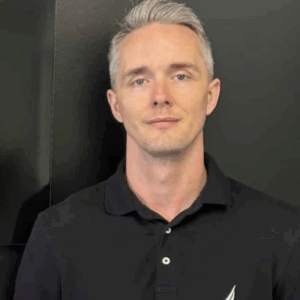
Portrait of Dr. Vahid Osman, Board-Certified Psychiatrist and Addictionologist
Medically Reviewed By
Dr. Vahid Osman, M.D.
Board-Certified Psychiatrist & Addictionologist
Dr. Vahid Osman is a Board-Certified Psychiatrist and Addictionologist with extensive experience treating mental illness, chemical dependency, and developmental disorders. Dr. Osman trained in Psychiatry in France and in Austin, Texas. Read more.
Portrait of Josh Sprung, L.C.S.W.
Clinically Reviewed By
Josh Sprung, L.C.S.W.
Board-Certified Clinical Social Worker
Joshua Sprung serves as a Clinical Reviewer at Louisville Addiction Center, bringing a wealth of expertise to ensure exceptional patient care. Read more.
→ Accreditations & Licenses

Addiction Treatment

Drug and Alcohol Rehab | Louisville Addiction Center

Treatment Programs

Treatment Programs | Louisville Addiction Center

Mental Health Services

Primary Mental Health | Louisville Addiction Center

Areas We Serve

  • Fayette
  • Bowling Green
  • Owensboro
  • Covington
  • Georgetown
  • Richmond
  • Florence
  • Elizabethtown
  • Nicholasville
  • Hopkinsville
  • Jeffersontown
  • Independence
  • Frankfort
  • Henderson
  • Paducah
  • Radcliff
  • Ashland
  • Erlanger
  • Madisonville
  • Winchester
  • Burlington
  • Mount Washington
  • St. Matthews
  • Murray
  • Fort Thomas
  • Shelbyville
  • Danville
  • Shively
  • Berea

What Our Patients Say: Stories of Hope and Recovery

Real Testimonials

Hear directly from those who have walked the path to recovery. Our patients’ stories highlight the compassionate care, effective programs, and life-changing support they’ve experienced. Let their journeys inspire you as you take your first steps toward healing.

Jesse B. profile picture
Jesse B.
21:09 28 Aug 25
I enjoyed the virtual IOP treatment more than I thought I would. It worked well with my work schedule and I got to be comfortable at home as well as being comfortable in the group. I was able to connect and exchange information with my peers and expand my recover/Sobriety network!

Get Directions to Louisville Addiction Center