12-Step Program and Life Skills Training in Louisville, KY
Recovery is not only about stopping alcohol or drug use. It also involves learning how to manage stress, relationships, responsibilities, routines, and difficult moments without returning to substances.
Louisville Addiction Center incorporates 12-Step principles and practical life-skills development into addiction treatment when these approaches fit the client’s recovery plan. The 12-Step model can provide structure, accountability, peer connection, and a framework for personal reflection, while life-skills work focuses on the everyday abilities needed to build a more stable life in recovery.
These services are used alongside clinical addiction treatment rather than as a replacement for therapy, mental health care, or other evidence-based services.
The 12-Step approach originated with Alcoholics Anonymous and has since influenced many peer-support fellowships for substance use and related concerns.
The model emphasizes honest self-examination, acceptance, accountability, making appropriate amends, ongoing personal inventory, helping others, and connection to something larger than oneself.
Traditional 12-Step language refers to a Higher Power. People may interpret that concept through a religious, spiritual, personal, or community-based lens. Participation should respect the individual’s beliefs and recovery needs.
Understanding the 12 Steps
The traditional steps build on one another. Rather than treating them as a checklist to finish quickly, participants often revisit the principles throughout recovery.
Steps 1–3: Acceptance and Willingness
The first steps focus on recognizing the impact of addiction, becoming open to help, and choosing a recovery path that does not depend on willpower alone.
Steps 4–7: Self-Examination and Change
These steps emphasize honest personal inventory, acknowledging harmful patterns, and becoming willing to address behaviors that interfere with recovery.
Steps 8–9: Accountability and Amends
Participants identify people who have been harmed and consider appropriate amends, while avoiding actions that would create additional harm.
Steps 10–12: Ongoing Recovery and Service
The final steps emphasize continued self-reflection, spiritual or reflective practice, and carrying recovery principles forward by supporting others.
Do You Have to Be Religious to Use 12-Step Principles?
Many people hesitate to explore 12-Step recovery because they assume participation requires a specific religion. Traditional 12-Step programs do use spiritual language, but the concept of a Higher Power is interpreted differently by different participants.
For some people, spirituality is an important part of recovery. Others understand the idea through community, shared values, nature, personal meaning, or the recognition that recovery requires support beyond isolated self-reliance.
Clients who do not connect with a 12-Step framework can discuss other recovery-support approaches with the treatment team.
Why Life Skills Matter in Addiction Recovery
Substance use can disrupt routines and responsibilities over time. Early recovery may require rebuilding skills that once felt automatic or developing skills that were never fully established.
Life-skills training turns recovery goals into practical daily behaviors that can support independence and stability.
Daily Structure and Time Management
Planning appointments, meals, sleep, work, recovery activities, and personal responsibilities can reduce chaos and make healthy routines easier to maintain.
Stress Management
Clients can practice responding to stress without immediately relying on alcohol or drugs for relief.
Communication Skills
Clearer communication can improve relationships, boundary setting, conflict resolution, and the ability to ask for help.
Financial Responsibility
Budgeting, planning expenses, and rebuilding financial routines can address practical consequences that sometimes accompany prolonged substance use.
Employment Readiness
Recovery planning may include organization, reliability, workplace communication, goal setting, and preparation for returning to work or pursuing new opportunities.
Healthy Home Routines
Meal planning, household responsibilities, sleep routines, personal care, and organization can strengthen day-to-day stability.
Building Recovery Skills for Real-World Situations
Skills become more useful when they are practiced in situations that resemble everyday life. Treatment can help clients anticipate common challenges before they encounter them outside a structured setting.
Handling Triggers
Clients can identify people, places, emotions, and situations connected to substance use and plan healthier responses.
Managing Conflict
Communication and emotional-regulation skills can reduce the likelihood that conflict becomes an immediate relapse trigger.
Asking for Support
Recovery includes learning when to contact a peer, sponsor, family member, clinician, or other support rather than isolating.
Responding to Setbacks
A difficult day or mistake does not have to become a full return to substance use. Planning can help clients respond earlier and more effectively.
Accountability, Sponsorship, and Peer Support
Peer connection is one of the best-known features of 12-Step recovery. Meetings can provide opportunities to hear how other people manage cravings, relationships, stress, setbacks, and long-term sobriety.
Some participants choose to work with a sponsor or mentor within a fellowship. A sponsor is generally a peer who has experience working the steps and can provide guidance within the 12-Step process. A sponsor is not a replacement for a therapist, physician, or other licensed treatment professional.
Consistent peer support can also reduce isolation and help recovery become part of everyday life rather than something practiced only during treatment hours.
12-Step Work, Therapy, and Mental Health Treatment
Peer-support programs and life-skills training can be valuable, but they serve a different role from professional addiction and mental health treatment.
Louisville Addiction Center can combine recovery-support principles with clinical services based on each client’s needs.
Individual Therapy
One-on-one therapy can address personal triggers, substance-use patterns, trauma, emotional health, and individualized recovery goals.
Clinical treatment can help turn insights from therapy and peer support into a personalized plan for warning signs and high-risk situations.
How 12-Step and Life Skills Support Relapse Prevention
Relapse prevention is stronger when clients have both internal coping strategies and external support. Life-skills work can improve routines, stress management, communication, and problem solving, while peer recovery can provide accountability and connection.
Recovery plans may identify warning signs such as isolation, skipping treatment, disrupted sleep, romanticizing past substance use, reconnecting with high-risk environments, or withdrawing from supportive relationships.
The objective is not to eliminate every difficult situation. It is to develop enough awareness, structure, and support to respond earlier when risk begins increasing.
Where 12-Step and Life Skills Fit Into Treatment
Recovery-support and life-skills work may be incorporated across different outpatient levels of care depending on the client’s clinical needs and treatment plan.
Partial Hospitalization Program
PHP provides a highly structured outpatient schedule and can include therapy, recovery education, coping skills, and practical preparation for life outside treatment.
Leaving a more structured phase of treatment can expose clients to responsibilities and stressors that were easier to manage while support was close at hand. Transition planning helps bridge that gap.
Recovery Schedule
Planning meetings, therapy, medication appointments, work, sleep, exercise, and personal time can protect recovery from becoming an afterthought.
Support Network
Clients can identify people and resources to contact during cravings, emotional distress, conflict, or major life changes.
Practical Goals
Breaking employment, education, financial, relationship, or housing goals into manageable steps can reduce overwhelm.
Ongoing Accountability
Regular check-ins with treatment providers, peers, sponsors, or supportive loved ones can help identify problems before they become crises.
Insurance and Admissions
Coverage for addiction treatment depends on the insurance plan, recommended level of care, medical necessity, network status, deductible, copays, and other plan requirements.
12-Step participation itself is commonly peer-based, while life-skills and recovery-support services may be incorporated into a broader treatment program.
Verify Benefits
Admissions can review available insurance benefits for the recommended addiction treatment program.
Frequently Asked Questions About 12-Step and Life Skills
What is a 12-Step program and how does it support addiction recovery?
A 12-Step program is a peer-support approach built around acceptance, accountability, personal reflection, amends, ongoing recovery practices, and helping others. It can provide structure and community alongside professional treatment.
What are the 12 Steps and what do they involve day to day?
The traditional steps move from acknowledging addiction and accepting help through self-examination, accountability, appropriate amends, continued personal inventory, reflection, and service to others. Participants often revisit these principles throughout recovery.
Do you have to be religious to benefit from the 12-Step approach?
Traditional 12-Step programs use spiritual language, but participants interpret a Higher Power in different ways. People who do not connect with the approach can discuss other recovery-support options with their treatment team.
Why are life skills important after addiction treatment?
Life skills help translate recovery into daily routines. Time management, communication, stress management, budgeting, employment readiness, healthy routines, and problem solving can all support greater stability.
Outcomes vary by person and level of participation. Peer-support involvement can be helpful for many people, particularly when it provides ongoing connection and is combined with appropriate professional treatment when needed.
Potential benefits include peer connection, accountability, personal reflection, a sense of purpose, structured recovery practices, and ongoing support outside formal treatment.
What does it mean to work with a sponsor?
A sponsor is typically a peer with experience working the 12 Steps who offers guidance within the fellowship. Sponsors are not substitutes for licensed therapists or medical professionals.
How do life skills help prevent relapse?
Life skills can strengthen routines, coping, communication, problem solving, financial stability, and the ability to manage stress before it escalates into a high-risk situation.
Can 12-Step and life-skills work be combined with therapy?
Yes. Peer recovery and life-skills development can complement individual therapy, family therapy, dual diagnosis care, and structured addiction treatment.
Build Recovery Skills for Life in Louisville, Kentucky
Long-term recovery requires more than getting through the first days without substances. It involves building routines, relationships, coping strategies, accountability, and practical skills that can continue supporting sobriety when everyday pressures return.
Louisville Addiction Center can help you understand how 12-Step principles and life-skills development fit into your addiction treatment plan, review insurance benefits, and determine the appropriate next step.
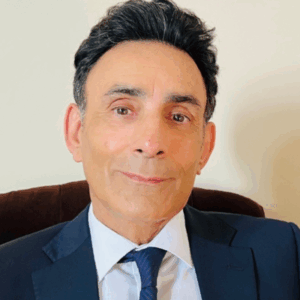
Dr. Vahid Osman is a Board-Certified Psychiatrist and Addictionologist with extensive experience treating mental illness, chemical dependency, and developmental disorders. Dr. Osman trained in Psychiatry in France and in Austin, Texas. Read more.
Clinically Reviewed By
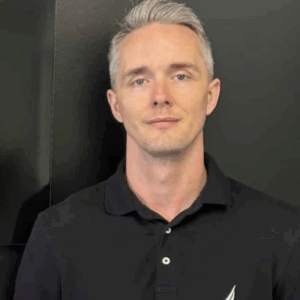
Josh Sprung, L.C.S.W.
Board-Certified Clinical Social Worker
Joshua Sprung serves as a Clinical Reviewer at Louisville Addiction Center, bringing a wealth of expertise to ensure exceptional patient care. Read more.
Your Insurance May Cover The Cost Of Detox and Rehab
Complete a free, confidential Verification of Benefits to learn more about what resources may be available to you.
What Our Patients Say: Stories of Hope and Recovery
Real Testimonials
Hear directly from those who have walked the path to recovery. Our patients’ stories highlight the compassionate care, effective programs, and life-changing support they’ve experienced. Let their journeys inspire you as you take your first steps toward healing.
For anyone who is serious about Recovery from Substance Use Disorder, there is an answer here. This place has a licensed therapist, and plenty of support staff to help me on my journey. They have provided resources. And the supportive housing is first rate.
I would recommend this place for sure especially their PHP program, it was my very first time coming here and to be honest i was very nervous and scared but it was actually a lot more welcoming than i thought and i think theres alot of good people here, and alot of people that help, especially the therapists, ive done 3 full months as a teen and i would say it was definitely a life changing experience and i made so many connections and friends, and i just took so much from this place, and i learned so much about myself as well, 100% recommend PHP and their IOP program.
I enjoyed the virtual IOP treatment more than I thought I would. It worked well with my work schedule and I got to be comfortable at home as well as being comfortable in the group. I was able to connect and exchange information with my peers and expand my recover/Sobriety network!
LAC was great. I participated in the evening groups through zoom, which I originally had reservations about. Even though the meetings were online, they were still very engaging, informative, and personal. The therapist and case manager were incredible. They were both very authentic and supportive, and they were easily available when we needed them. I am very appreciative and grateful for this program.
I’ve had great success with the individuals i’ve sent to LAC. I’ve been impressed with the smooth Admissions process in the stressful situations. The compassion they receive after arriving and the level of care is as good as anywhere out there. Most definitely will continue to use LAC
I have nothing but positive things to say about LAC. I went there not expecting too much and I left there with what feels like a family. Everyone is so nice and extremely down to earth. You will be in good hands at LAC
This is 5 star facility. The staff is one of a kind, the program is exactly what you are looking for. Call these people today if you or someone you know is struggling!
Would highly recommend LAC to anyone struggling with addiction. They offer a supportive environment that allows you to focus on your recovery and becoming a productive member of society.
LAC is an amazing treatment facility. Truly a 5 * place for treatment. From ownership, leadership to general staff this place is incredible. The therapist, Techs and speakers are all first class. The housing, if doing PHP like I participated in was also perfect. I met so many incredible people. It’s unreal to be honest. I today this day still stay in contact with most residents who I attended with. Thank you LAC for not only all of your help but also continued support!!!
Brad Franzman
Louisville addiction center is a wonderful facility for anyone struggling with substance use disorders. The staff is wonderful and client care is most important. If you or a loved one are struggling I would highly recommend this place.
This is an awesome place for anyone struggling with a substance use disorder. It is a beautiful facility, conveniently located to all Louisville has to offer. The staff members are kind and helpful, it is easy to tell they truly want to help you recover. 10/10 recommend this programming if you are ready to make a change.
Beautiful facility that is run by a staff that truly cares. If you or a loved one is struggling with SUD and are close the the greater Louisville area, LAC will without a doubt provide you will the tools needed to have a sober, successful life.
I had the opportunity to tour and attend the open house for Louisville Addiction Center on 2/22/23. As and individual in recovery and also working for SUD, I couldn’t be more impressed with the facility and approach that LAC is taking and offering those affected by substance abuse. If you or a loved one is struggling, this facility would provide the treatment, love and comfort your family member deserves.