Benzodiazepine Addiction Treatment in Louisville, KY
Table of contents
Home > Benzodiazepine Addiction Treatment in Louisville, KY
Benzodiazepine Addiction Treatment in Louisville, KY
Benzodiazepines such as Xanax, Klonopin, Ativan, and Valium are commonly prescribed for anxiety, panic symptoms, insomnia, and other conditions. When they are used for extended periods or in higher amounts than prescribed, however, tolerance and physical dependence can develop and stopping may become much more difficult than expected.
For many people, benzodiazepine addiction develops gradually. A medication that once helped reduce anxiety can become something the body feels unable to function without. Rebound anxiety, insomnia, tremors, cravings, emotional instability, and fear of withdrawal can make it difficult to reduce or stop use without structured support.
Compassionate Benzodiazepine Addiction Treatment in Louisville
At Louisville Addiction Center, we work with adults who may have started benzodiazepines exactly as prescribed and later found themselves taking the medication more often, needing larger amounts, or feeling unable to stop without intense symptoms.
Some people arrive in treatment after repeated attempts to taper on their own. Others are also struggling with alcohol, opioids, prescription medications, anxiety, trauma, depression, or sleep problems that have become closely connected to benzodiazepine use.
Our benzodiazepine addiction treatment in Louisville is designed to address the full picture. Care may include physician-guided tapering support when appropriate, behavioral therapy, dual diagnosis treatment, structured programming, relapse prevention, family support, and continued recovery planning.
The goal is not simply to remove a medication. It is to help clients regain stability while learning healthier ways to manage anxiety, emotional discomfort, stress, sleep problems, and relapse triggers.
Understanding How Benzodiazepine Addiction Develops
Benzodiazepines work by increasing the calming effects of gamma-aminobutyric acid, or GABA, in the brain. This can reduce anxiety and promote sedation, but repeated exposure can cause the nervous system to adapt. Over time, a person may need more of the medication to achieve the same effect.
Tolerance and dependence do not always mean addiction, but they can increase risk. Addiction involves continued or compulsive use despite harm, difficulty controlling use, cravings, or prioritizing benzodiazepines over responsibilities and relationships.
Dependence may become especially apparent when a dose is missed or reduced. Rebound anxiety, insomnia, agitation, tremors, sensory sensitivity, and other symptoms may appear. Because these symptoms can feel similar to the condition the medication was originally prescribed to treat, people can become caught in a cycle of taking more to avoid withdrawal.
Benzodiazepine addiction may involve medications such as alprazolam (Xanax), clonazepam (Klonopin), lorazepam (Ativan), diazepam (Valium), and other sedative medications. Treatment should be individualized around the specific medication, dose pattern, duration of use, co-occurring substances, and mental health needs.
Benzodiazepine Addiction Throughout Louisville and Kentucky
Benzodiazepine misuse can affect people from many different backgrounds, including individuals who began taking medication for legitimate anxiety, panic, sleep, or medical concerns. The progression from prescribed use to dependence can be subtle, which is one reason many people delay asking for help.
In Louisville and surrounding Kentucky communities, benzodiazepine problems frequently overlap with anxiety disorders, trauma, depression, insomnia, chronic stress, and use of other substances. Mixing benzodiazepines with alcohol, opioids, or other sedating drugs can substantially increase safety concerns.
Treatment close to home can make it easier to stay engaged in care, involve supportive family members when appropriate, and build recovery skills in the same community where a person will continue living and working.
Louisville Addiction Center provides structured outpatient-focused addiction treatment designed to help clients move from stabilization into ongoing therapeutic care, relapse prevention, and long-term recovery.
Why Benzodiazepine Withdrawal Can Become Dangerous
Benzodiazepine withdrawal can be medically serious, particularly after regular or long-term use. Stopping suddenly may cause rebound anxiety, insomnia, agitation, tremors, perceptual changes, confusion, and in some cases seizures.
Withdrawal risk varies based on the specific medication, dose, length of use, frequency of use, prior withdrawal history, medical conditions, and whether alcohol or other substances are also involved.
Because symptoms can escalate, people who are physically dependent on benzodiazepines should not abruptly stop the medication without medical guidance. A physician-guided taper may be recommended to reduce risk and help the nervous system adjust more gradually.
When a higher level of withdrawal management is needed, a clinical assessment can help determine the safest next step before ongoing benzodiazepine rehab begins. Once stabilization is underway, treatment can focus more directly on cravings, anxiety, trauma, behavior patterns, and relapse prevention.
Benzodiazepine Addiction and Mental Health Often Reinforce Each Other
Many people who develop benzodiazepine dependence were originally prescribed the medication because they were already dealing with anxiety, panic attacks, trauma symptoms, insomnia, or severe emotional distress.
As tolerance develops, the medication may provide less relief while anxiety between doses becomes more intense. This can make it difficult to tell where the original mental health symptoms end and medication-related rebound symptoms begin.
Dual diagnosis treatment helps address both concerns together. Therapy may focus on anxiety management, trauma responses, emotional regulation, sleep routines, depression, panic symptoms, and other issues that could increase relapse vulnerability.
Treating mental health alongside addiction is especially important with benzodiazepines because simply removing the medication without building alternative coping strategies can leave a person feeling unprepared to manage the symptoms that originally led to use.
What Benzodiazepine Addiction Treatment Looks Like
Benzodiazepine treatment is individualized because two people taking the same medication can have very different withdrawal risks, mental health symptoms, substance use histories, and recovery needs.
Treatment may begin with an assessment of current benzodiazepine use, prior attempts to stop, co-occurring substances, physical health, psychiatric symptoms, and the level of structure needed during early recovery.
After stabilization, care commonly shifts toward therapy, relapse prevention, coping skills, mental health treatment, family support, and development of a sustainable long-term recovery plan.
Individualized Treatment Planning
Care is matched to the medication involved, pattern of use, withdrawal risk, mental health symptoms, relapse history, responsibilities, and recovery goals.
Recovery Skills for Everyday Life
Treatment helps clients build safer ways to manage anxiety, stress, sleep difficulty, emotional discomfort, cravings, and situations that previously led to benzodiazepine use.
Evidence-Based Therapy for Benzodiazepine Addiction
Therapy is a central part of benzodiazepine recovery because anxiety, avoidance, panic, trauma, and fear of withdrawal can remain powerful triggers even after medication use begins to decrease.
Louisville Addiction Center may incorporate evidence-based approaches such as Cognitive Behavioral Therapy and Dialectical Behavior Therapy to help clients recognize high-risk thought patterns, improve emotional regulation, tolerate distress, and respond to cravings more effectively.
Trauma-informed counseling, family therapy, holistic services, and relapse prevention planning may also be included when clinically appropriate.
The goal is to help clients develop coping strategies that remain useful after treatment rather than relying on benzodiazepines as the primary way to manage distress.
CBT and DBT
Evidence-based therapies can help clients challenge anxiety-driven thought patterns, regulate emotions, tolerate discomfort, and develop healthier responses to cravings and triggers.
Trauma and Family Support
When appropriate, treatment can address trauma, relationship strain, family dynamics, and other underlying issues that may contribute to benzodiazepine use or relapse risk.
Physician-Guided Tapering and Long-Term Recovery
For people who are physically dependent on benzodiazepines, a carefully managed taper may be an important part of treatment. The pace and structure of a taper should be determined by qualified medical professionals based on the specific medication, dose, duration of use, withdrawal history, and other clinical factors.
Tapering is only one part of recovery. Long-term treatment also focuses on the anxiety, sleep difficulty, trauma symptoms, depression, stress responses, and behavioral patterns that may have contributed to continued use.
Ongoing recovery may include outpatient therapy, psychiatric care when appropriate, family support, peer recovery resources, relapse prevention, healthy sleep routines, and a practical plan for responding to cravings or rebound anxiety.
The objective is to create enough stability that clients can participate meaningfully in therapy while gradually building confidence in managing life without returning to problematic benzodiazepine use.
Levels of Care for Benzodiazepine Rehab in Louisville
The right level of care depends on withdrawal risk, mental health needs, home stability, relapse history, co-occurring substance use, and how much structure a person needs during early recovery.
A Partial Hospitalization Program can provide a highly structured day-treatment environment after medical stabilization. Intensive Outpatient Programming provides continued therapy and accountability with greater flexibility, while outpatient care can support longer-term recovery as independence increases.
Treatment intensity can change over time. A step-down model allows clients to receive more support during vulnerable stages and gradually transition toward greater independence as stability improves.
PHP and IOP
Structured PHP and IOP services can provide intensive therapy, dual diagnosis care, relapse prevention, and accountability during early benzodiazepine recovery.
Outpatient and Continuing Care
Outpatient services can reinforce anxiety management, coping skills, relapse prevention, mental health treatment, and long-term recovery while clients return to everyday responsibilities.
Signs It May Be Time to Consider Benzodiazepine Rehab
It may be time to consider professional treatment when benzodiazepine use begins increasing beyond the prescribed amount, a person feels unable to reduce use, withdrawal symptoms appear between doses, or attempts to stop repeatedly fail.
Other warning signs can include doctor shopping, using benzodiazepines to manage emotions rather than as prescribed, combining them with alcohol or other substances, hiding the amount being taken, or continuing use despite relationship, work, memory, or health problems.
A particularly important sign is when fear of withdrawal becomes the main reason a person keeps taking benzodiazepines. That can indicate physical dependence and the need for a safer, professionally guided plan.
Physical and Behavioral Warning Signs
Tolerance, withdrawal, escalating doses, unsuccessful attempts to cut back, secretive use, and continued use despite harm can indicate a need for professional support.
Benzodiazepines as the Primary Coping Strategy
When medication becomes the main way to sleep, manage anxiety, cope with trauma, or tolerate stress, treatment can address both the drug use and the underlying emotional patterns.
Family Support During Benzodiazepine Addiction Treatment
Benzodiazepine addiction can create confusion for families because the medication may have originally been prescribed by a medical professional. Loved ones may struggle to understand when legitimate use has shifted into dependence or addiction.
Family involvement can help improve communication, establish healthier boundaries, and create a more supportive recovery environment when clinically appropriate.
Education can also help family members understand why abrupt discontinuation may be unsafe, why anxiety can temporarily intensify during recovery, and why long-term treatment often needs to address more than the medication itself.
How We Treat Benzo Addiction at Louisville Addiction Center
Benzodiazepine recovery often requires more than one type of support. At Louisville Addiction Center, treatment can combine evidence-based therapy, mental health care, family involvement, holistic services, recovery skills, and continuing support based on each client’s needs.
These services are designed to help clients address the anxiety, trauma, relationship strain, emotional triggers, and daily routines that can become connected to benzodiazepine use.
Family Therapy
Benzodiazepine addiction can affect communication, trust, boundaries, and stability throughout a family. Family therapy can help loved ones better understand addiction and recovery while improving communication and developing healthier ways to support long-term progress.
Holistic therapy can complement clinical treatment by helping clients strengthen physical and emotional wellness. Depending on the treatment plan, holistic approaches may support stress management, mindfulness, healthy routines, emotional regulation, and a more balanced recovery lifestyle.
Trauma and chronic emotional distress can contribute to anxiety, sleep problems, and reliance on benzodiazepines. Trauma-informed treatment helps clients explore these experiences at an appropriate pace while building safer coping strategies that do not depend on substance use.
12-step and life-skills support can add structure, accountability, peer connection, and practical recovery tools. Clients can work on accepting support, developing healthier routines, strengthening coping skills, and building a recovery community that continues beyond formal treatment.
Benzodiazepine relapse prevention requires more than avoiding pills. Clients need a plan for the anxiety, panic, insomnia, trauma symptoms, stress, or emotional discomfort that may have triggered use in the first place.
Treatment can help identify early warning signs such as increasing anxiety, isolating, returning to old prescribing patterns, romanticizing the calming effects of benzodiazepines, or using other substances to self-medicate.
Continuing care may include outpatient therapy, psychiatric follow-up, peer support, family involvement, trauma treatment, healthy sleep routines, and regular review of relapse prevention strategies.
The goal is to build a recovery plan that remains practical during ordinary life, including work stress, family conflict, poor sleep, unexpected anxiety, and other situations that can challenge sobriety.
Frequently Asked Questions About Benzodiazepine Rehab in Louisville
What are common benzodiazepines that can lead to addiction?
Common benzodiazepines include Xanax, also known as alprazolam, Ativan, also known as lorazepam, Klonopin, also known as clonazepam, and Valium, also known as diazepam. These medications can be helpful when used as prescribed, but long-term use or misuse can lead to tolerance, dependence, withdrawal, and addiction.
Is benzodiazepine withdrawal dangerous?
Yes. Benzodiazepine withdrawal can be dangerous, especially when the medication is stopped suddenly after regular or long-term use. Possible withdrawal symptoms include rebound anxiety, insomnia, tremors, agitation, and seizures. Medical supervision or physician-guided tapering is strongly recommended.
What treatments are used for benzodiazepine addiction?
Benzodiazepine addiction treatment may include physician-guided tapering support, CBT, DBT, dual diagnosis treatment, trauma therapy, family therapy, holistic therapy, PHP, IOP, outpatient care, and relapse prevention planning.
Yes. Louisville Addiction Center provides treatment for benzodiazepine addiction involving medications such as Xanax, Klonopin, Ativan, Valium, and other benzos. Treatment plans are personalized based on substance use history, withdrawal risks, mental health symptoms, and recovery goals.
Do I need detox before benzodiazepine rehab?
Some people need medical detox or a physician-guided taper before beginning benzodiazepine rehab. Because benzo withdrawal can involve serious risks such as seizures, individuals should not stop suddenly without medical guidance.
Does insurance cover benzodiazepine rehab?
Many insurance plans may cover benzodiazepine addiction treatment. Louisville Addiction Center can help verify insurance benefits and explain available treatment options before care begins.
How do I start benzodiazepine addiction treatment in Louisville, KY?
You can start by contacting Louisville Addiction Center for confidential admissions support. The team can discuss symptoms, withdrawal risks, insurance verification, and treatment options such as PHP, IOP, outpatient care, dual diagnosis treatment, and therapy.
Recover from Benzo Addiction Today in Louisville, KY
Louisville Addiction Center provides the tools, structure, and compassionate support needed to help people reclaim their independence from benzodiazepine addiction. We understand how dependence can affect emotional health, relationships, sleep, work, and a person’s confidence in their ability to function without medication.
We also know that recovery is achievable. Through individualized, evidence-based treatment, clients can begin addressing benzodiazepine use while developing healthier ways to manage anxiety, trauma, stress, cravings, and other challenges that can increase relapse risk.
You do not have to wait for benzodiazepine use to become more destructive before asking for help. Our admissions team can discuss your situation confidentially, explain treatment options, help verify insurance benefits, and guide you through the next steps.
Contact our admissions team today and take the first steps toward lasting recovery.
Begin Benzodiazepine Addiction Treatment in Louisville, Kentucky
Benzodiazepine dependence and addiction can affect physical health, emotional stability, relationships, sleep, work, and overall quality of life.
Recovery is possible with a treatment plan that addresses withdrawal risk, mental health, relapse triggers, coping skills, and long-term support.
Louisville Addiction Center provides benzodiazepine addiction treatment for adults struggling with Xanax, Klonopin, Ativan, Valium, and other benzodiazepines, including dual diagnosis care, CBT, DBT, PHP, IOP, outpatient services, family therapy, trauma therapy, holistic support, and relapse prevention.
Contact Louisville Addiction Center to discuss treatment options and take the next step toward recovery.
Substance Abuse and Mental Health Services Administration (SAMHSA). (2024). Behavioral health treatment services locator. Retrieved from https://findtreatment.gov/
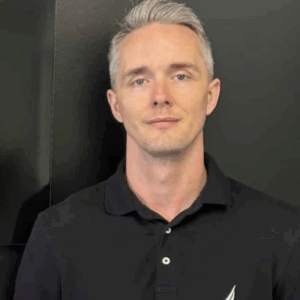
Dr. Vahid Osman is a Board-Certified Psychiatrist and Addictionologist with extensive experience treating mental illness, chemical dependency, and developmental disorders. Dr. Osman trained in Psychiatry in France and in Austin, Texas. Read more.
Clinically Reviewed By
Josh Sprung, L.C.S.W.
Board-Certified Clinical Social Worker
Joshua Sprung serves as a Clinical Reviewer at Louisville Addiction Center, bringing a wealth of expertise to ensure exceptional patient care. Read more.
Your Insurance May Cover The Cost Of Detox and Rehab
Complete a free, confidential Verification of Benefits to learn more about what resources may be available to you.
What Our Patients Say: Stories of Hope and Recovery
Real Testimonials
Hear directly from those who have walked the path to recovery. Our patients’ stories highlight the compassionate care, effective programs, and life-changing support they’ve experienced. Let their journeys inspire you as you take your first steps toward healing.
For anyone who is serious about Recovery from Substance Use Disorder, there is an answer here. This place has a licensed therapist, and plenty of support staff to help me on my journey. They have provided resources. And the supportive housing is first rate.
I would recommend this place for sure especially their PHP program, it was my very first time coming here and to be honest i was very nervous and scared but it was actually a lot more welcoming than i thought and i think theres alot of good people here, and alot of people that help, especially the therapists, ive done 3 full months as a teen and i would say it was definitely a life changing experience and i made so many connections and friends, and i just took so much from this place, and i learned so much about myself as well, 100% recommend PHP and their IOP program.
I enjoyed the virtual IOP treatment more than I thought I would. It worked well with my work schedule and I got to be comfortable at home as well as being comfortable in the group. I was able to connect and exchange information with my peers and expand my recover/Sobriety network!
LAC was great. I participated in the evening groups through zoom, which I originally had reservations about. Even though the meetings were online, they were still very engaging, informative, and personal. The therapist and case manager were incredible. They were both very authentic and supportive, and they were easily available when we needed them. I am very appreciative and grateful for this program.
I’ve had great success with the individuals i’ve sent to LAC. I’ve been impressed with the smooth Admissions process in the stressful situations. The compassion they receive after arriving and the level of care is as good as anywhere out there. Most definitely will continue to use LAC
I have nothing but positive things to say about LAC. I went there not expecting too much and I left there with what feels like a family. Everyone is so nice and extremely down to earth. You will be in good hands at LAC
This is 5 star facility. The staff is one of a kind, the program is exactly what you are looking for. Call these people today if you or someone you know is struggling!
Would highly recommend LAC to anyone struggling with addiction. They offer a supportive environment that allows you to focus on your recovery and becoming a productive member of society.
LAC is an amazing treatment facility. Truly a 5 * place for treatment. From ownership, leadership to general staff this place is incredible. The therapist, Techs and speakers are all first class. The housing, if doing PHP like I participated in was also perfect. I met so many incredible people. It’s unreal to be honest. I today this day still stay in contact with most residents who I attended with. Thank you LAC for not only all of your help but also continued support!!! Brad Franzman
Louisville addiction center is a wonderful facility for anyone struggling with substance use disorders. The staff is wonderful and client care is most important. If you or a loved one are struggling I would highly recommend this place.
This is an awesome place for anyone struggling with a substance use disorder. It is a beautiful facility, conveniently located to all Louisville has to offer. The staff members are kind and helpful, it is easy to tell they truly want to help you recover. 10/10 recommend this programming if you are ready to make a change.
Beautiful facility that is run by a staff that truly cares. If you or a loved one is struggling with SUD and are close the the greater Louisville area, LAC will without a doubt provide you will the tools needed to have a sober, successful life.
I had the opportunity to tour and attend the open house for Louisville Addiction Center on 2/22/23. As and individual in recovery and also working for SUD, I couldn’t be more impressed with the facility and approach that LAC is taking and offering those affected by substance abuse. If you or a loved one is struggling, this facility would provide the treatment, love and comfort your family member deserves.