Looking for drug rehab in Louisville, Kentucky? Treatment can help address opioid, fentanyl, stimulant, prescription drug, and other substance use disorders, including concerns that occur alongside anxiety, depression, or trauma.
Louisville Addiction Center no longer operates a physical treatment location. Our admissions team helps Louisville-area callers explore appropriate addiction treatment providers and available care pathways. Treatment location, services, scheduling, and insurance participation must be confirmed with the treating provider.
People searching for drug addiction treatment in Louisville may need different clinical services depending on the substance, withdrawal risk, mental health symptoms, and previous treatment. Explore the following substance-specific resources and confirm current program availability with admissions.
Opioids & Heroin
Treatment can address opioid and heroin addiction, cravings, relapse risk, and co-occurring mental health needs.
Withdrawal can range from uncomfortable to medically dangerous depending on the substance, amount used, length of use, and other health factors. Alcohol and benzodiazepine withdrawal can become especially serious, while opioid withdrawal may involve intense symptoms and elevated relapse risk.
A clinical assessment can help determine whether medical detox or another form of stabilization is needed before outpatient rehab begins. Louisville Addiction Center focuses on outpatient treatment and can help clarify the next step when a higher level of withdrawal management is appropriate.
If someone is experiencing seizures, severe confusion, hallucinations, chest pain, suicidal thoughts, difficulty breathing, or another medical emergency, emergency care is appropriate.
How to Find the Right Drug Rehab Pathway
A clinical assessment considers substance use, withdrawal risks, mental health, past treatment, relapse history, and the safety of the home environment. A person may need medical detox or residential treatment before transitioning to a less intensive program. Others may begin with structured outpatient care.
For Louisville-area callers, admissions can explain how to explore providers offering partial hospitalization (PHP), intensive outpatient treatment (IOP), or outpatient counseling. The treating provider confirms program availability and determines the appropriate level of care.
Therapy and Dual Diagnosis Support
Effective drug addiction treatment may include cognitive behavioral therapy, trauma-informed counseling, family support, relapse-prevention planning, and medications when clinically appropriate. These services help people manage cravings, identify triggers, and strengthen relationships and daily routines.
When substance use overlaps with depression, anxiety, or trauma, dual diagnosis treatment may address both concerns together. Explore cognitive behavioral therapy and trauma therapy to learn more about specific approaches. Availability depends on the treating provider.
Drug Rehab Options: Detox, PHP, IOP and Outpatient Care
Not every person needs the same level of treatment. Medical safety, relapse risk, psychiatric symptoms, home stability, and clinical assessment determine whether detox, residential care, PHP, IOP, or outpatient treatment is appropriate.
Louisville Addiction Center does not operate a physical facility. Admissions can help explain these levels of care and explore available providers; enrollment and treatment locations must be confirmed directly.
Medical Detox and Residential Care
Medical detox manages withdrawal when clinical monitoring is needed. Residential treatment provides 24-hour support when a person needs a structured living environment. These are distinct levels of care, and either may be recommended following an assessment.
Recovery continues after intensive treatment hours decrease. Relapse prevention helps clients identify high-risk situations, early warning signs, and practical steps to take when cravings or emotional distress increase.
Continuing care may include outpatient therapy, psychiatric follow-up, peer support, family involvement, recovery meetings, trauma treatment, medication management when appropriate, and ongoing review of coping strategies.
The goal is to build a recovery plan that remains realistic through work, relationships, stress, celebrations, losses, and other ordinary challenges of daily life.
Insurance Coverage for Drug Rehab in Louisville
Health insurance may cover medically necessary substance use treatment, including PHP, IOP, outpatient counseling, or other levels of care. Benefits are not the same as confirmed admission or payment approval.
Before choosing a provider, check your plan’s network, deductible, copays, prior-authorization rules, and the specific treatment services covered. Our admissions team can help you identify questions to ask and discuss next steps.
Frequently Asked Questions About Drug Rehab in Louisville
What is drug addiction treatment?
Drug addiction treatment helps individuals address substance use disorder through therapy, relapse prevention, mental health support, medication-assisted treatment when appropriate, and structured levels of care such as PHP, IOP, and outpatient treatment.
Does Louisville Addiction Center offer drug rehab in Louisville, KY?
Louisville Addiction Center no longer operates a physical treatment location. Admissions can help Louisville-area residents explore treatment options and discuss available providers. Confirm the location and services directly before enrollment.
What substances are treated at Louisville Addiction Center?
Treatment programs may address opioid, fentanyl, heroin, methamphetamine, cocaine, prescription drug, benzodiazepine, alcohol, and other substance use disorders. The available services depend on the treating provider and individual assessment.
What levels of care are available for drug addiction treatment?
Depending on clinical need and provider availability, options can include medically supervised detox, residential treatment, partial hospitalization (PHP), intensive outpatient treatment (IOP), and outpatient therapy. Louisville Addiction Center admissions can explain how to explore these options.
Is medication-assisted treatment available for drug addiction?
Medications for opioid use disorder may be appropriate for some people. Availability, prescribing, and monitoring depend on the treating provider and clinical assessment.
Yes. Programs offering dual diagnosis care can address addiction alongside anxiety, depression, PTSD, or other mental health conditions. Ask admissions which providers offer integrated services.
Do I need detox before starting drug rehab?
Not everyone needs detox. A clinician should assess withdrawal risk, particularly with alcohol, benzodiazepines, and other substances where withdrawal can be dangerous.
How do I start drug addiction treatment in Louisville, KY?
Contact admissions to discuss your needs, possible levels of care, insurance questions, and currently available treatment providers. Confirm eligibility and coverage with the provider and insurer.
Does insurance cover drug rehab in Louisville?
Many plans include substance use treatment benefits, but coverage depends on the policy, medical necessity, network status, prior authorization, and provider. Admissions can help explain what to verify.
What is the difference between PHP and IOP?
PHP generally offers more weekly treatment hours and clinical structure than IOP. The right choice depends on clinical assessment and a person’s needs.
Can I get help finding drug rehab near Louisville without visiting a Louisville Addiction Center facility?
Yes. Louisville Addiction Center does not have an operating physical treatment location. Admissions can discuss care pathways and help you explore available providers and treatment settings.
Explore Drug Rehab Options in Louisville, Kentucky
If you are looking for drug addiction treatment in Louisville, our admissions team can help you understand PHP, IOP, outpatient treatment, and other appropriate care pathways.
Louisville Addiction Center no longer operates an on-site treatment facility. Ask about provider availability, treatment location, clinical eligibility, and insurance benefits before making plans.
U.S. Department of Health & Human Services. (n.d.). Health Insurance Portability and Accountability Act of 1996 (HIPAA). Retrieved August 22, 2025, from https://www.hhs.gov/hipaa/index.html
Centers for Disease Control and Prevention. (2023). Alcohol and public health. CDC. Retrieved August 22, 2025, from https://www.cdc.gov/alcohol/index.htm
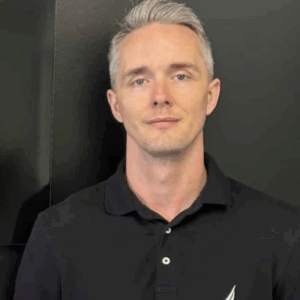
Dr. Vahid Osman is a Board-Certified Psychiatrist and Addictionologist with extensive experience treating mental illness, chemical dependency, and developmental disorders. Dr. Osman trained in Psychiatry in France and in Austin, Texas. Read more.
Joshua Sprung serves as a Clinical Reviewer at Louisville Addiction Center, bringing a wealth of expertise to ensure exceptional patient care. Read more.
The Joint Commission Awarded The Gold Seal of Approval® for meeting rigorous performance standards in safety, quality, and patient care.
LegitScript Certified Validates compliance with laws and regulations, confirming transparency and accountability in addiction treatment marketing.
BBB Accredited Demonstrates ethical business practices, client satisfaction commitment, and a trusted reputation in the community.
Psychology Today Verified Verified listing on Psychology Today, a trusted directory for addiction treatment providers and behavioral health centers.
HIPAA Compliant Ensures all patient health information is protected and managed under strict federal privacy and security standards.
NAATP Member Louisville Addiction Center is a proud member of the National Association of Addiction Treatment Providers (NAATP).
5-Star Google Reviews Recognized for consistent 5-star ratings, reflecting excellent care and trusted patient experiences at Louisville Addiction Center.
Your Insurance May Cover The Cost Of Detox and Rehab
Complete a free, confidential Verification of Benefits to learn more about what resources may be available to you.
What Our Patients Say: Stories of Hope and Recovery
Real Testimonials
Hear directly from those who have walked the path to recovery. Our patients’ stories highlight the compassionate care, effective programs, and life-changing support they’ve experienced. Let their journeys inspire you as you take your first steps toward healing.
For anyone who is serious about Recovery from Substance Use Disorder, there is an answer here. This place has a licensed therapist, and plenty of support staff to help me on my journey. They have provided resources. And the supportive housing is first rate.
I would recommend this place for sure especially their PHP program, it was my very first time coming here and to be honest i was very nervous and scared but it was actually a lot more welcoming than i thought and i think theres alot of good people here, and alot of people that help, especially the therapists, ive done 3 full months as a teen and i would say it was definitely a life changing experience and i made so many connections and friends, and i just took so much from this place, and i learned so much about myself as well, 100% recommend PHP and their IOP program.
I enjoyed the virtual IOP treatment more than I thought I would. It worked well with my work schedule and I got to be comfortable at home as well as being comfortable in the group. I was able to connect and exchange information with my peers and expand my recover/Sobriety network!
LAC was great. I participated in the evening groups through zoom, which I originally had reservations about. Even though the meetings were online, they were still very engaging, informative, and personal. The therapist and case manager were incredible. They were both very authentic and supportive, and they were easily available when we needed them. I am very appreciative and grateful for this program.
I’ve had great success with the individuals i’ve sent to LAC. I’ve been impressed with the smooth Admissions process in the stressful situations. The compassion they receive after arriving and the level of care is as good as anywhere out there. Most definitely will continue to use LAC
I have nothing but positive things to say about LAC. I went there not expecting too much and I left there with what feels like a family. Everyone is so nice and extremely down to earth. You will be in good hands at LAC
This is 5 star facility. The staff is one of a kind, the program is exactly what you are looking for. Call these people today if you or someone you know is struggling!
Would highly recommend LAC to anyone struggling with addiction. They offer a supportive environment that allows you to focus on your recovery and becoming a productive member of society.
LAC is an amazing treatment facility. Truly a 5 * place for treatment. From ownership, leadership to general staff this place is incredible. The therapist, Techs and speakers are all first class. The housing, if doing PHP like I participated in was also perfect. I met so many incredible people. It’s unreal to be honest. I today this day still stay in contact with most residents who I attended with. Thank you LAC for not only all of your help but also continued support!!!
Brad Franzman
Louisville addiction center is a wonderful facility for anyone struggling with substance use disorders. The staff is wonderful and client care is most important. If you or a loved one are struggling I would highly recommend this place.
This is an awesome place for anyone struggling with a substance use disorder. It is a beautiful facility, conveniently located to all Louisville has to offer. The staff members are kind and helpful, it is easy to tell they truly want to help you recover. 10/10 recommend this programming if you are ready to make a change.
Beautiful facility that is run by a staff that truly cares. If you or a loved one is struggling with SUD and are close the the greater Louisville area, LAC will without a doubt provide you will the tools needed to have a sober, successful life.
I had the opportunity to tour and attend the open house for Louisville Addiction Center on 2/22/23. As and individual in recovery and also working for SUD, I couldn’t be more impressed with the facility and approach that LAC is taking and offering those affected by substance abuse. If you or a loved one is struggling, this facility would provide the treatment, love and comfort your family member deserves.