Addiction doesn’t just change the person who is using substances — it changes the entire relationship around them. In a marriage, that impact can be especially deep. Trust may be damaged, communication may break down, and emotional connection can slowly fade under the weight of stress and uncertainty.

When one partner enters treatment, many couples are left with an important and emotional question: Is it possible for a marriage to heal after rehab?

At Louisville Addiction Center, we work with individuals and families who are navigating this moment of uncertainty. Recovery doesn’t guarantee that a relationship will return to what it once was — but it can create the clarity, stability, and support needed to build something healthier moving forward.

How Addiction Reshapes a Marriage Over Time

Substance use disorders often push marriages into survival mode. Everyday life may begin to revolve around managing conflict, minimizing damage, or coping with unpredictability. One partner may feel emotionally neglected or constantly on edge, while the other struggles with shame, secrecy, or emotional withdrawal.

These patterns don’t happen because couples stop caring. They develop because addiction affects brain chemistry, emotional regulation, and decision-making. Over time, financial strain, broken trust, and unresolved resentment can create distance that feels difficult to repair.

Understanding addiction as a medical condition — not a character flaw — helps couples move away from blame and toward informed, compassionate healing.

Treatment as a Stabilizing Reset, Not a Relationship Cure

Entering detox or rehab is often the first real pause after months or years of instability. At Louisville Addiction Center, medically supervised detox provides 24/7 clinical support to help individuals safely withdraw from drugs or alcohol while stabilizing both physical and mental health.

This period of stabilization is critical. Without substances influencing behavior and emotions, individuals are better able to reflect honestly, take responsibility, and engage in treatment. For many couples, this is the first time meaningful conversations can occur without fear, defensiveness, or chaos driving the interaction.

While treatment does not automatically repair relationship damage, it creates the conditions necessary for real recovery — both individually and relationally.

Do Marriages Actually Improve After Rehab?

Many marriages do improve after rehab, especially when both partners understand that recovery is a process, not a single event. Sobriety often brings increased emotional presence, accountability, and structure — all of which can positively affect a relationship.

That said, recovery also changes dynamics. The partner in recovery may need ongoing treatment, boundaries, and routine. The spouse may need time to process past pain and adjust to a relationship no longer shaped by crisis. These changes can feel unfamiliar and challenging, but they are often essential for long-term stability.

Couples who seek professional guidance — such as marriage counseling, family therapy, or peer support groups — often navigate this transition more successfully. These supports provide tools for communication, trust-building, and boundary-setting that are difficult to develop alone.

Rebuilding Trust After Addiction Takes Time

Trust rarely returns all at once. It is rebuilt through consistency, honesty, and follow-through over time. Showing up sober, being emotionally available, and maintaining accountability are often more meaningful than apologies alone.

For spouses, healing doesn’t mean ignoring the past or forcing forgiveness. It means having space to express emotions safely, learning to set boundaries, and rebuilding confidence gradually. Setbacks don’t automatically mean failure — they are often part of the learning curve in recovery.

When Recovery Leads to Redefining the Relationship

While many couples heal after rehab, some relationships may not continue in the same form. In situations involving ongoing emotional harm, repeated relapse without accountability, or unresolved trauma, separation may be the healthiest option.

Choosing distance in these cases is not a failure of recovery. Recovery is about improving quality of life, safety, and emotional well-being — and sometimes that means redefining relationships rather than restoring them.

How Louisville Addiction Center Supports Individuals and Families

At Louisville Addiction Center, treatment focuses on the whole person — physical health, mental wellness, and emotional stability. Our medically supervised detox and personalized treatment planning help individuals begin recovery safely while preparing for the next phase of care.

We recognize that addiction affects families and relationships, not just individuals. When appropriate, we encourage family involvement, education, and aftercare planning to support long-term sobriety and healthier connections beyond treatment.

If addiction has affected your marriage, you’re not alone. With professional support, education, and time, healing is possible — whether that means rebuilding together or moving forward in a healthier direction.

Frequently Asked Questions

Can a marriage heal after rehab?
Yes, many marriages heal after rehab when recovery is supported by ongoing treatment, honest communication, and professional guidance.
Does addiction treatment address relationship problems?
Treatment focuses on addiction, which is often the root cause of relationship strain. Additional counseling is typically needed to repair trust and communication.
Is couples therapy recommended after rehab?
Couples or family therapy can be highly beneficial, helping both partners understand addiction, set boundaries, and rebuild emotional connection.
What if relapse occurs after treatment?
Relapse can happen, but it does not mean treatment failed. Early intervention and continued care can help prevent long-term setbacks.

Clinical Review & Trust Statement

Reviewed by the Treatment Team at Louisville Addiction Center: This content was reviewed by addiction treatment professionals experienced in medically supervised detox and substance use disorder care. Information is provided for educational purposes and is not a substitute for professional medical advice.

Call or message us –

You’ll connect with a compassionate admissions coordinator who understands what you’re going through.

Complete a free assessment –

We’ll ask about your drug use, medical history, and mental health to help build the right plan.

Insurance check –

We’ll verify your benefits and explain exactly what’s covered—no surprises.

Choose a start date –

If you’re ready, we can often schedule your intake the same week.
→ Contributors
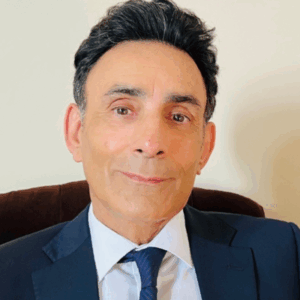
Portrait of Dr. Vahid Osman, Board-Certified Psychiatrist and Addictionologist
Medically Reviewed By
Dr. Vahid Osman, M.D.
Board-Certified Psychiatrist & Addictionologist
Dr. Vahid Osman is a Board-Certified Psychiatrist and Addictionologist with extensive experience treating mental illness, chemical dependency, and developmental disorders. Dr. Osman trained in Psychiatry in France and in Austin, Texas. Read more.
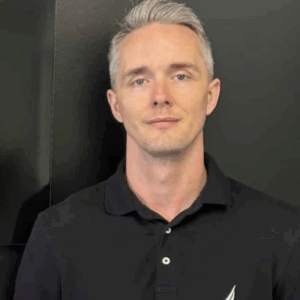
Portrait of Josh Sprung, L.C.S.W.
Clinically Reviewed By
Josh Sprung, L.C.S.W.
Board-Certified Clinical Social Worker
Joshua Sprung serves as a Clinical Reviewer at Louisville Addiction Center, bringing a wealth of expertise to ensure exceptional patient care. Read more.
→ Accreditations & Licenses
→ Meet Our Team

At Louisville Addiction Center, we believe that recovery is a journey, not a destination. That’s why we offer a comprehensive continuum of care, delivered by a team of experienced and compassionate professionals. Our team is made up of licensed therapists, counselors, nurses, and other professionals who are passionate about helping people achieve lasting sobriety. Whether you are just starting your recovery journey or you are a seasoned veteran, we are here to support you every step of the way. We believe in you, and we are committed to helping you achieve your recovery goals.

→ Tour Our Rehab Center

Explore Louisville Addiction Center’s drug & alcohol detox rehab treatment center in Louisville, KY and step into private therapy offices, spacious group rooms, and tranquil lounges where thoughtful design supports every stage of substance-use recovery.

Addiction Treatment

Drug and Alcohol Rehab | Louisville Addiction Center

Treatment Programs

Treatment Programs | Louisville Addiction Center

Did you know that your insurance plan may cover medical detox?

Complete a free, confidential Verification of Benefits to learn more about what resources may be available to you.

Contact Us

Addiction and co-occurring disorders don’t have to control your life. Louisville Addiction Center is waiting with open arms to give you the tools necessary for lasting change. Reach out to us today to learn more.

What Our Patients Say: Stories of Hope and Recovery

Real Testimonials

Hear directly from those who have walked the path to recovery. Our patients’ stories highlight the compassionate care, effective programs, and life-changing support they’ve experienced. Let their journeys inspire you as you take your first steps toward healing.

Jesse B. profile picture
Jesse B.
21:09 28 Aug 25
I enjoyed the virtual IOP treatment more than I thought I would. It worked well with my work schedule and I got to be comfortable at home as well as being comfortable in the group. I was able to connect and exchange information with my peers and expand my recover/Sobriety network!