Substance use continues to affect individuals and families throughout Kentucky, while access to timely treatment can still be difficult. Louisville Addiction Center provides evidence-based drug and alcohol rehab in Louisville, KY, through flexible outpatient levels of care designed to fit real-life responsibilities.
Instead of requiring every client to leave work, school, or family responsibilities for an extended residential stay, our programs provide structured clinical support while allowing appropriate clients to continue living at home or in supportive housing.
Choosing addiction treatment is a significant decision. Louisville Addiction Center combines structured clinical care with flexibility, continuity, and practical support designed for people rebuilding their lives in the Louisville community.
✓
Evidence-Based Care
Treatment incorporates approaches such as CBT, DBT, medication support when clinically appropriate, relapse-prevention planning, and other established behavioral health interventions.
✓
Multidisciplinary Support
Medical and behavioral health professionals work together to address substance use, mental health symptoms, medication needs, recovery goals, and continuing-care planning.
✓
Flexible Levels of Care
PHP, IOP, and outpatient treatment allow appropriate clients to receive meaningful clinical structure while gradually returning to work, school, family responsibilities, and independent recovery.
✓
Whole-Person Treatment
Clinical services can be supported by mindfulness, peer connection, life-skills development, wellness activities, and family involvement.
✓
Insurance Verification
Our admissions team can review insurance benefits and help explain available treatment options before admission.
✓
Central Louisville Location
Our East Market Street location makes outpatient treatment accessible for many people living or working throughout Louisville and surrounding communities.
✓
Comprehensive Addiction Treatment in Louisville, KY
Louisville Addiction Center uses a step-down treatment model that allows clients to begin with the amount of structure that matches their clinical needs and gradually transition into more flexible levels of care as stability improves.
Maintaining continuity throughout treatment can reduce disruptions, keep treatment goals aligned, and help clients build on skills developed during earlier stages of recovery.
✓
Levels of Care at Louisville Addiction Center
01
Drug and Alcohol Detox
Detox focuses on helping the body stabilize after alcohol or drug use is reduced or stopped. Depending on the substance and withdrawal risk, a medically supervised detox setting may be necessary before outpatient treatment begins.
PHP provides a highly structured outpatient treatment schedule with extensive therapeutic support while allowing clinically appropriate clients to live outside the treatment facility.
IOP provides several hours of treatment throughout the week with greater scheduling flexibility than PHP, helping clients practice recovery skills while returning to everyday responsibilities.
Outpatient treatment is typically less intensive and is often appropriate for people who have established greater stability but still benefit from therapy, accountability, and ongoing recovery support.
Louisville Addiction Center also provides specialized addiction treatment support for veterans. Military service can involve trauma, chronic stress, injuries, adjustment difficulties, and mental health concerns that may contribute to substance use.
Our veterans-focused services recognize these experiences and can incorporate substance use treatment with mental health support, recovery planning, and appropriate insurance coordination.
Long-term recovery often requires more than addressing substance use alone. Treatment may include clinical therapy, medication support, trauma treatment, peer connection, and practical recovery skills.
✓
Medication-Assisted Treatment
Medication-Assisted Treatment may be appropriate for some people with opioid or alcohol use disorders. Medication is combined with counseling and behavioral treatment rather than used as a stand-alone solution.
✓
CBT and DBT
Cognitive Behavioral Therapy can help identify unhelpful thought and behavior patterns, while Dialectical Behavior Therapy can strengthen emotional regulation, distress tolerance, mindfulness, and interpersonal skills.
✓
Trauma-Informed Treatment
For clients whose substance use is connected with trauma, anxiety, depression, or PTSD symptoms, treatment can integrate mental health support with addiction recovery services.
✓
12-Step, Peer Support and Life Skills
Peer accountability, recovery-community involvement, life-skills development, and structured support can help clients strengthen recovery outside formal treatment.
✓
Specialized Substance Abuse Treatment
Different substances affect the brain and body in different ways. Treatment planning should account for the substance involved, withdrawal risks, cravings, physical health, mental health conditions, prior treatment experiences, and relapse patterns.
Alcohol Addiction Treatment
Chronic alcohol use can affect sleep, blood pressure, mood, relationships, employment, and overall health. Treatment can include medical evaluation, behavioral therapies, family involvement, relapse-prevention planning, and medication when clinically appropriate.
Opioid and Fentanyl Addiction Treatment
Opioid treatment may involve medication support, behavioral therapy, craving management, relapse-prevention strategies, peer support, and overdose-risk education.
Benzodiazepine Addiction Treatment
Benzodiazepine dependence requires careful clinical consideration because abrupt discontinuation can cause serious withdrawal complications.
Cocaine and Stimulant Addiction Treatment
Stimulant treatment often focuses on behavioral interventions, triggers, sleep, mood regulation, recovery routines, cue management, and healthier sources of motivation and reward.
Prescription Drug and Polysubstance Treatment
When multiple substances are involved, treatment planning should account for interactions between substances, prescriptions, mental health symptoms, pain concerns, withdrawal patterns, and relapse risk.
✓
Inpatient Rehab vs. Outpatient Rehab
Kentucky residents comparing treatment options often wonder whether they need residential or inpatient treatment or whether an outpatient program such as PHP or IOP may be appropriate.
Inpatient and residential programs provide 24-hour structure in a live-in setting. Outpatient programs allow clinically appropriate clients to participate in structured treatment while living at home or in supportive housing.
Factor
Inpatient / Residential Rehab
Louisville Addiction Center PHP / IOP
Living Arrangement
On-site residence
Home or supportive housing
Clinical Structure
24-hour structured setting
Scheduled daytime or evening treatment
Work or School Flexibility
Usually limited
May be possible depending on level of care
Community Reintegration
Usually occurs after discharge
Recovery skills can be practiced between treatment sessions
Best Fit
People requiring a highly structured or residential environment
Clinically stable clients appropriate for outpatient treatment
✓
What to Expect During Treatment at Louisville Addiction Center
Knowing what happens during treatment can make beginning care feel more manageable. Louisville Addiction Center helps clients and families understand each stage, from admissions and assessment through treatment planning and continuing care.
Admissions and Insurance Verification
The process typically begins with a confidential conversation with our admissions team. We discuss current substance use, treatment history, mental and physical health concerns, and the level of support you may need.
Insurance benefits can then be reviewed so you have a clearer understanding of available coverage and next steps.
Typical Weekly Schedule
Treatment schedules depend on the level of care and each client’s clinical needs. PHP generally provides the greatest amount of weekly structure, while IOP and standard outpatient programming allow increasing independence as recovery progresses.
Family Engagement and Support
Addiction can affect the entire family system. When clinically appropriate, family involvement can help improve communication, strengthen boundaries, reduce enabling behaviors, and build a more supportive recovery environment.
✓
How to Start Addiction Treatment
Starting addiction treatment does not have to be complicated. Our admissions process is designed to help you understand your options and determine an appropriate next step.
1
Call or Message Us
Connect with an admissions coordinator who can listen to what is happening and help identify the next step.
2
Complete a Free Assessment
We review substance use, medical history, mental health concerns, prior treatment, and recovery goals.
3
Insurance Check
Our team can review available benefits and explain coverage information before admission.
4
Choose a Start Date
If Louisville Addiction Center is an appropriate fit, the admissions team will help coordinate the next available treatment start date.
✓
Our Addiction Treatment Facility in Louisville, KY
Louisville Addiction Center is located at 827 E. Market Street in Louisville, Kentucky. The location provides a convenient setting for outpatient treatment while allowing many clients to return home, to supportive housing, or to work after scheduled programming.
The facility includes spaces for individual counseling, group therapy, clinical services, mindfulness activities, and peer interaction in a professional recovery-focused environment.
?
Frequently Asked Questions About Drug and Alcohol Rehab in Louisville
How do I know when someone might need addiction treatment?
Treatment may be appropriate when alcohol or drug use becomes difficult to control, causes problems with health or relationships, interferes with work or school, leads to withdrawal or cravings, or continues despite negative consequences.
How can I help a loved one start treatment?
Begin with a calm conversation focused on specific concerns rather than blame. You can also contact an admissions team to learn about treatment options, insurance coverage, and how to approach the next step.
What types of addiction treatment centers are in Louisville, KY?
Treatment options can include detox, residential or inpatient treatment, partial hospitalization, intensive outpatient programs, standard outpatient care, therapy, medication support, and continuing care.
How long does outpatient rehab last?
The length of treatment varies according to clinical needs, progress, substance use history, mental health concerns, level of care, and recovery goals.
Does insurance cover substance abuse treatment in Louisville?
Many insurance plans include benefits for medically necessary behavioral health and substance use treatment. Actual coverage depends on the plan, network status, level of care, and authorization requirements.
Can I work or attend school while in IOP?
Often, yes. IOP is designed to provide meaningful treatment structure while offering greater flexibility than higher levels of care.
What is the difference between inpatient rehab and PHP?
Inpatient or residential rehab includes living at the treatment facility. PHP provides intensive daytime treatment while clinically appropriate clients generally live outside the treatment center.
Addiction treatment can include care for co-occurring mental health concerns such as anxiety, depression, trauma, PTSD, or other conditions when they are part of the client’s treatment needs.
How do I know if Medication-Assisted Treatment is right for me?
MAT is a clinical decision based on factors such as the substance involved, medical history, treatment goals, previous recovery attempts, and individual needs.
What happens after outpatient treatment?
Continuing care may include individual therapy, peer support, recovery meetings, medication management when appropriate, alumni support, relapse-prevention planning, and other recovery services.
How often will I meet with a therapist or physician?
The frequency of clinical appointments varies by level of care and treatment plan. More intensive programs generally include more frequent therapeutic contact than standard outpatient care.
What evidence-based and holistic therapies are available?
Treatment may include CBT, DBT, trauma-informed services, medication support when appropriate, family involvement, life-skills development, peer support, mindfulness, and relapse-prevention work.
✓
Begin Your Recovery Journey in Louisville
Whether you are beginning addiction treatment for the first time, returning after a relapse, or stepping down from a more intensive level of care, Louisville Addiction Center can help you understand your options and determine an appropriate next step.
Centers for Disease Control and Prevention. (2023, June 15). Alcohol and public health: Alcohol-related disease impact (ARDI). https://www.cdc.gov/alcohol/index.htm
Volkow, N. D., & Koob, G. (2015). Brain disease model of addiction: Why it matters. The New England Journal of Medicine, 373(4), 391–393. https://doi.org/10.1056/NEJMp1508511
McLellan, A. T., Lewis, D. C., O’Brien, C. P., & Kleber, H. D. (2000). Drug dependence, a chronic medical illness: Implications for treatment, insurance, and outcomes evaluation. JAMA, 284(13), 1689–1695. https://doi.org/10.1001/jama.284.13.1689
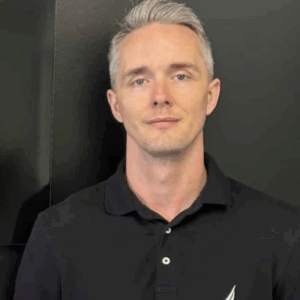
Dr. Vahid Osman is a Board-Certified Psychiatrist and Addictionologist with extensive experience treating mental illness, chemical dependency, and developmental disorders. Dr. Osman trained in Psychiatry in France and in Austin, Texas. Read more.
Clinically Reviewed By
Josh Sprung, L.C.S.W.
Board-Certified Clinical Social Worker
Joshua Sprung serves as a Clinical Reviewer at Louisville Addiction Center, bringing a wealth of expertise to ensure exceptional patient care. Read more.
Your Insurance May Cover The Cost Of Detox and Rehab
Complete a free, confidential Verification of Benefits to learn more about what resources may be available to you.
What Our Patients Say: Stories of Hope and Recovery
Real Testimonials
Hear directly from those who have walked the path to recovery. Our patients’ stories highlight the compassionate care, effective programs, and life-changing support they’ve experienced. Let their journeys inspire you as you take your first steps toward healing.
For anyone who is serious about Recovery from Substance Use Disorder, there is an answer here. This place has a licensed therapist, and plenty of support staff to help me on my journey. They have provided resources. And the supportive housing is first rate.
I would recommend this place for sure especially their PHP program, it was my very first time coming here and to be honest i was very nervous and scared but it was actually a lot more welcoming than i thought and i think theres alot of good people here, and alot of people that help, especially the therapists, ive done 3 full months as a teen and i would say it was definitely a life changing experience and i made so many connections and friends, and i just took so much from this place, and i learned so much about myself as well, 100% recommend PHP and their IOP program.
I enjoyed the virtual IOP treatment more than I thought I would. It worked well with my work schedule and I got to be comfortable at home as well as being comfortable in the group. I was able to connect and exchange information with my peers and expand my recover/Sobriety network!
LAC was great. I participated in the evening groups through zoom, which I originally had reservations about. Even though the meetings were online, they were still very engaging, informative, and personal. The therapist and case manager were incredible. They were both very authentic and supportive, and they were easily available when we needed them. I am very appreciative and grateful for this program.
I’ve had great success with the individuals i’ve sent to LAC. I’ve been impressed with the smooth Admissions process in the stressful situations. The compassion they receive after arriving and the level of care is as good as anywhere out there. Most definitely will continue to use LAC
I have nothing but positive things to say about LAC. I went there not expecting too much and I left there with what feels like a family. Everyone is so nice and extremely down to earth. You will be in good hands at LAC
This is 5 star facility. The staff is one of a kind, the program is exactly what you are looking for. Call these people today if you or someone you know is struggling!
Would highly recommend LAC to anyone struggling with addiction. They offer a supportive environment that allows you to focus on your recovery and becoming a productive member of society.
LAC is an amazing treatment facility. Truly a 5 * place for treatment. From ownership, leadership to general staff this place is incredible. The therapist, Techs and speakers are all first class. The housing, if doing PHP like I participated in was also perfect. I met so many incredible people. It’s unreal to be honest. I today this day still stay in contact with most residents who I attended with. Thank you LAC for not only all of your help but also continued support!!!
Brad Franzman
Louisville addiction center is a wonderful facility for anyone struggling with substance use disorders. The staff is wonderful and client care is most important. If you or a loved one are struggling I would highly recommend this place.
This is an awesome place for anyone struggling with a substance use disorder. It is a beautiful facility, conveniently located to all Louisville has to offer. The staff members are kind and helpful, it is easy to tell they truly want to help you recover. 10/10 recommend this programming if you are ready to make a change.
Beautiful facility that is run by a staff that truly cares. If you or a loved one is struggling with SUD and are close the the greater Louisville area, LAC will without a doubt provide you will the tools needed to have a sober, successful life.
I had the opportunity to tour and attend the open house for Louisville Addiction Center on 2/22/23. As and individual in recovery and also working for SUD, I couldn’t be more impressed with the facility and approach that LAC is taking and offering those affected by substance abuse. If you or a loved one is struggling, this facility would provide the treatment, love and comfort your family member deserves.