How To Stop Enabling Someone With An Addiction

When a loved one is struggling with addiction, the natural response is to help make their situation better. But how is it possible to help and stop enabling someone with an addiction? There are ways to help a loved one and support them without enabling them and their addiction to continue. The natural desire to help can apply to parents, husband, wife, brother, sister, or friends. It goes without saying that when a loved one is hurting, those who care for and love them also hurt. However, there are ways to love them, and not allow their addiction to cause further damage and turmoil in others’ lives. 

What is Enabling?

As people who struggle with 12>addiction, it is natural for someone to be selfish and manipulative. When that is perpetrated because loved ones give in to their desires and wants to avoid confrontation, it becomes enabling. Allowing their behaviors and actions to control those around them is not only unhealthy for the person who is struggling, but it is also extremely toxic for the loved ones who are enabling them. For instance, when a mother or father is paying thousands of dollars in legal fees, or paying their addicted child’s bills because of their inability to do so, this can lay the groundwork for the loved one suffering from addiction to continue their behaviors that lead to these situations to begin with. It is possible to stop enabling someone with an addiction and provide loving support at the same time.

How to Support Without Enabling?

How to stop enabling someone with an addiction and still provide support begins with recognizing the behaviors. When someone can recognize they are being used and manipulated to feed their loved ones addictive behaviors, it makes the process of ending the enabling a little easier. This may be due to building resentment, anger, frustration, or feeling fed up with their manipulative behaviors.  When the loved ones of the person struggling find themselves completely depleted of energy to continue on the path they have been on for weeks, months, or years, it has come to the point where they have to find relief. Understanding they are not as weak and feeble as they may seem is vital to stop enabling someone with an addiction. Providing support can mean being a listening ear, being a friend, parent, or sibling while still holding a boundary that their actions and behavior are no longer going to be acceptable. If they get into legal trouble due to their behaviors, it is a consequence of their actions and a loved one continuing to save them from these consequences is only adding fuel to their continued behavior. If the person struggling loses a job due to performance or not showing up, let them put in the footwork needed to better their lives.

Codependency

Codependency is a learned behavior. It is an emotional and behavioral condition in which someone is incapable of having a healthy relationship with someone because it is not mutually satisfying. It is also known as relationship addiction. Codependency is a contributing factor to enabling. To be able to stop enabling someone with an addiction, their loved ones have to understand that the codependent relationship is unhealthy and contributes to the behaviors that their loved one is exhibiting.

Boundaries and Tough Love

Setting boundaries is the first step on how to stop enabling someone with an addiction. As difficult as it can be sometimes, telling a loved one “I will no longer financially support you” or just telling them that providing a listening ear is all that can and will be done can assist in making it so they have to find a way to help themselves. When those people who usually financially, physically, and emotionally themselves become fed up and begin to put their feet down with boundaries and tough love, the person struggling with addiction comes to an understanding that there is a bigger problem than they thought.

Family Therapy

Participating in 12>family therapy can help with setting these boundaries. It can provide a space where loved ones can freely talk about how the behaviors are affecting them, and provide a neutral party to help mediate the situation. It can also provide some much-needed support to the family.

Interventions

Interventions are a way to have someone who can mediate family members to provide their loved one with options for help. They also provide guidance on how to stop enabling someone with addiction so they can begin to get better. Contacting someone who specialized in this field can be beneficial to helping this be a loving interaction, rather than the individual feeling attacked.

Getting Help for a Loved One

When a loved one is suffering from addiction, it can be a difficult thing to watch. They’re harming themselves, and causing pain to the people that love them the most. Addiction is a difficult undertaking, and proper care is crucial to recovery. At Louisville Addiction Center, we provide a safe, healing environment for those suffering from addiction to begin getting better. If someone you love is struggling with addiction, 12>contact us today to hear about options that are available for them. 
Educational & Informational Use

The content published on Louisville Addiction Center blog pages is intended for general educational and informational purposes related to addiction, substance use disorders, detoxification, rehabilitation, mental health, and recovery support. Blog articles are designed to help readers better understand addiction-related topics and explore treatment concepts, but they are not a substitute for professional medical advice, diagnosis, or individualized treatment planning.

Addiction and co-occurring mental health conditions are complex medical issues that affect individuals differently based on many factors, including substance type, length of use, physical health, mental health history, medications, age, and social environment. Because of this variability, information discussed in blog articles—such as withdrawal symptoms, detox timelines, treatment approaches, medications, relapse risks, or recovery strategies—may not apply to every individual. Reading blog content should not replace consultation with licensed medical or behavioral health professionals.

If you or someone you know is experiencing a medical or mental health emergency, call 911 immediately or go to the nearest emergency room. Emergencies may include suspected overdose, seizures, difficulty breathing, chest pain, severe confusion, hallucinations with unsafe behavior, loss of consciousness, suicidal thoughts, or threats of harm to oneself or others. Louisville Addiction Center blog content is not intended for crisis intervention and should never be used in place of emergency care.

Detoxification from drugs or alcohol can involve serious medical risks, particularly with substances such as alcohol, benzodiazepines, opioids, and certain prescription medications. Withdrawal symptoms can escalate quickly and may become life-threatening without proper medical supervision. Any blog content describing detox, withdrawal, or substance cessation is provided to raise awareness and encourage safer decision-making—not to instruct readers to detox on their own. Attempting self-detox without medical oversight can be dangerous and is strongly discouraged.

Blog articles may discuss various addiction treatment options, including medical detox, residential or inpatient rehab, outpatient programs, therapy modalities, medication-assisted treatment, aftercare planning, and recovery support services. These discussions reflect commonly used, evidence-informed approaches but do not represent guarantees of effectiveness or suitability for every person. Treatment recommendations should always be based on a comprehensive assessment conducted by licensed professionals.

Information related to insurance coverage, treatment costs, or payment options that appears within blog content is provided for general informational purposes only. Insurance benefits vary widely depending on the individual’s plan, carrier, state regulations, and medical necessity criteria. Coverage details may change without notice, and no insurance-related statements on blog pages should be interpreted as a promise of coverage or payment. Louisville Addiction Center encourages readers to contact our admissions team directly to verify insurance benefits and eligibility before making treatment decisions.

Some blog posts may reference third-party studies, external organizations, medications, community resources, or harm-reduction concepts. These references are provided for educational context only and do not constitute endorsements. Louisville Addiction Center does not control third-party content and is not responsible for the accuracy, availability, or practices of external websites or organizations.

Use of Louisville Addiction Center blog pages does not establish a provider–patient relationship. Submitting comments, contacting the center through a blog page, or reading articles does not guarantee admission to treatment or access to services. Recovery outcomes vary, and no specific results are promised or implied.

If you are struggling with substance use, withdrawal symptoms, or questions about treatment, we encourage you to seek guidance from licensed healthcare providers. For personalized information about treatment options or insurance verification, you may contact Louisville Addiction Center directly. For emergencies, call 911 immediately.

→ Sources
  1. Alcohol Rehab Help. (2022). Alcohol statistics in Kentucky. Alcohol Rehab Help. https://alcoholrehabhelp.org/kentucky/alcohol-statistics/
  2. Healthy KY. (n.d.). Drug and alcohol statistics in Kentucky. Healthy Kentucky. https://www.healthyky.org/drug-and-alcohol-statistics-in-kentucky.html
  3. Kentucky Office of Drug Control Policy. (n.d.). An assessment of Kentucky’s substance use disorder crisis. Commonwealth of Kentucky. https://odcp.ky.gov/
  4. Kong, J. (2022). An assessment of alcohol use disorder and treatment [Research brief]. University of Louisville. https://louisville.edu/sphis/departments/cik/docs-and-pdfs-1/Kong_AUD_ResearchBrief_FINALADA.pdf
  5. Substance Abuse and Mental Health Services Administration. (2019). State profile: Kentucky—N-SSATS report. SAMHSA. https://www.samhsa.gov/data/sites/default/files/quick_statistics/state_profiles/NSSATS-KY19.pdf
  6. Substance Abuse and Mental Health Services Administration. (2024). Underage drinking prevention programs in Kentucky. SAMHSA. https://library.samhsa.gov/sites/default/files/kentucky-iccpud-state-report-2024.pdf
  7. Wikipedia. (2025). Casey’s Law (Matthew Casey Wethington Act). In Wikipedia. https://en.wikipedia.org/wiki/Casey%27s_Law
→ Contributors
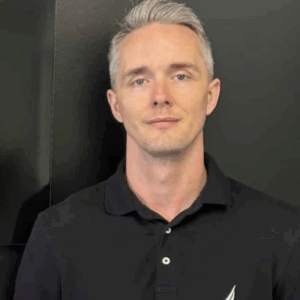
Portrait of Dr. Vahid Osman, Board-Certified Psychiatrist and Addictionologist
Medically Reviewed By
Dr. Vahid Osman, M.D.
Board-Certified Psychiatrist & Addictionologist
Dr. Vahid Osman is a Board-Certified Psychiatrist and Addictionologist with extensive experience treating mental illness, chemical dependency, and developmental disorders. Dr. Osman trained in Psychiatry in France and in Austin, Texas. Read more.
Portrait of Josh Sprung, L.C.S.W.
Clinically Reviewed By
Josh Sprung, L.C.S.W.
Board-Certified Clinical Social Worker
Joshua Sprung serves as a Clinical Reviewer at Louisville Addiction Center, bringing a wealth of expertise to ensure exceptional patient care. Read more.
→ Accreditations & Licenses

Addiction Treatment

Drug and Alcohol Rehab | Louisville Addiction Center

Treatment Programs

Treatment Programs | Louisville Addiction Center

Mental Health Services

Primary Mental Health | Louisville Addiction Center

Areas We Serve

  • Fayette
  • Bowling Green
  • Owensboro
  • Covington
  • Georgetown
  • Richmond
  • Florence
  • Elizabethtown
  • Nicholasville
  • Hopkinsville
  • Jeffersontown
  • Independence
  • Frankfort
  • Henderson
  • Paducah
  • Radcliff
  • Ashland
  • Erlanger
  • Madisonville
  • Winchester
  • Burlington
  • Mount Washington
  • St. Matthews
  • Murray
  • Fort Thomas
  • Shelbyville
  • Danville
  • Shively
  • Berea

What Our Patients Say: Stories of Hope and Recovery

Real Testimonials

Hear directly from those who have walked the path to recovery. Our patients’ stories highlight the compassionate care, effective programs, and life-changing support they’ve experienced. Let their journeys inspire you as you take your first steps toward healing.

Jesse B. profile picture
Jesse B.
21:09 28 Aug 25
I enjoyed the virtual IOP treatment more than I thought I would. It worked well with my work schedule and I got to be comfortable at home as well as being comfortable in the group. I was able to connect and exchange information with my peers and expand my recover/Sobriety network!

Get Directions to Louisville Addiction Center