Synthetic Marijuana: Dangers, Detox, Withdrawal

The synthetic marijuana detox dangers can be severe. Undergoing this process without professional care can lead to devastating results and impacts on someone’s life that are long-term, and hard to reverse or overcome. The effects of synthetic marijuana on a person’s health and overall well-being can be intense and lead to long-lasting impacts on an individual’s life. Understanding the effects and dangers of synthetic marijuana and synthetic marijuana withdrawal can help if someone seeks 12>professional medical care during this process. 

What is Synthetic Marijuana?

Synthetic marijuana is a substance that is man-made. Also known as K2 or Spice, synthetic marijuana uses plant materials mixed with different chemicals to mimic the effects of naturally produced marijuana. Spraying the chemical compounds onto the plant materials allows for the substance to be smoked, vaped, or ingested and for the individual to feel a semblance of what regular, naturally produced marijuana would make them feel. These chemicals can be addictive, and lead to dangerous impacts to individuals using K2 or spice. The production process varies from brand to brand, making the chemical compounds in the product different in each one. Those struggling with 12>addiction to synthetic marijuana should understand the synthetic marijuana withdrawal process and detox dangers.

Effects of Synthetic Marijuana

Synthetic marijuana is meant to mimic the effects of naturally grown and produced cannabis. This can include altered perception, rapid heart rate, and potential 12 nofollow noopener noreferrer3>seizures. Psychologically, spice can lead to confusion, hallucinations, delusions, paranoia, and panic attacks. It can also lead to losing touch with reality, or psychosis, which can be long-term and difficult to reverse. Physically, users can experience nausea, vomiting, heart attacks, convulsions, and strokes. 

The 5 Types of Synthetic Marijuana

There are five major types of synthetic marijuana that are sought out. These types include the following:
  1. Classical
  2. Non-classical
  3. Hybrid
  4. Aminoalkylindole
  5. Eicosanoid
Classical, non-classical, and hybrid are less common in the production of synthetic marijuana due to the difficulty in producing them. Aminoalkylindole compounds are more common, as they are easier to produce. They are also the most dissimilar to naturally produced THC. However, using synthetic marijuana of any type can lead to addiction and dependence resulting in impacts to physical and 12>mental health. Synthetic marijuana withdrawal can be difficult to endure, often leading to relapse if not done properly. 

Signs of Synthetic Marijuana Abuse

Much like alcohol and other drugs, identifying synthetic marijuana abuse can lead to a person receiving proper care and support to help them as they embark on a journey to recovery. The signs of synthetic marijuana abuse can be identified in loved ones who may be struggling. Behaviors, personality changes, and other changes in a person can be indicative of a potential problem with synthetic marijuana. Signs that could be identifiable include:
  • Lying about synthetic marijuana use
  • Angry outbursts
  • Social withdrawal
  • Drug-seeking behaviors
  • Stealing
  • Avoiding the topic of synthetic marijuana use
  • Continued use despite negative consequences
  • Engaging in dangerous behaviors while using synthetic marijuana
  • Lying in order to get more spice
  • Hiding the reality of the usage
  • Avoiding enjoyable activities in order to use spice
Keeping an eye out for any of these symptoms can help loved ones identify a potential problem, and encourage their loved one to get professional care in order to avoid synthetic marijuana detox dangers that could arise when trying to stop using this substance. Due to the nature of addiction, getting proper help could make a vast difference for those that are struggling to find recovery. 

Synthetic Marijuana Withdrawal

Synthetic marijuana withdrawal can be extremely uncomfortable. For those that try to stop on their own, it can be a difficult undertaking that often leads to using the substance again as a means of alleviating the symptoms that could be experienced. Unlike marijuana that is naturally grown and produced, synthetic marijuana is made up of synthetic compounds that could lead to severe adverse reactions. The synthetic marijuana withdrawal process can vary in intensity and length from person to person and a number of factors can play a role in this process. These factors can include age, length, and severity of usage, underlying health conditions, underlying mental health conditions, and overall well-being. Those who are struggling with this substance should 12>seek proper care to help through this process. Having the right kind of care can help to prevent severe synthetic marijuana detox dangers like seizures, heart attacks, and potentially death. There is help available for those that are struggling, and this help can make a big difference in the outcome of recovery from synthetic marijuana addiction.

Healing From Synthetic Marijuana Addiction

The misconception that synthetic marijuana is a safer alternative can lead to devastating results. Struggling with this substance can result in permanent and dangerous impacts on a person’s life and well-being. From mental impacts to physical impacts, the dangers of synthetic marijuana can be devastating. If you or a loved one are struggling, there is help available. At Louisville Addiction Center, we can help those who are struggling with synthetic marijuana to find recovery. 12>Contact us today and begin a journey of healing and finding recovery. 
Educational & Informational Use

The content published on Louisville Addiction Center blog pages is intended for general educational and informational purposes related to addiction, substance use disorders, detoxification, rehabilitation, mental health, and recovery support. Blog articles are designed to help readers better understand addiction-related topics and explore treatment concepts, but they are not a substitute for professional medical advice, diagnosis, or individualized treatment planning.

Addiction and co-occurring mental health conditions are complex medical issues that affect individuals differently based on many factors, including substance type, length of use, physical health, mental health history, medications, age, and social environment. Because of this variability, information discussed in blog articles—such as withdrawal symptoms, detox timelines, treatment approaches, medications, relapse risks, or recovery strategies—may not apply to every individual. Reading blog content should not replace consultation with licensed medical or behavioral health professionals.

If you or someone you know is experiencing a medical or mental health emergency, call 911 immediately or go to the nearest emergency room. Emergencies may include suspected overdose, seizures, difficulty breathing, chest pain, severe confusion, hallucinations with unsafe behavior, loss of consciousness, suicidal thoughts, or threats of harm to oneself or others. Louisville Addiction Center blog content is not intended for crisis intervention and should never be used in place of emergency care.

Detoxification from drugs or alcohol can involve serious medical risks, particularly with substances such as alcohol, benzodiazepines, opioids, and certain prescription medications. Withdrawal symptoms can escalate quickly and may become life-threatening without proper medical supervision. Any blog content describing detox, withdrawal, or substance cessation is provided to raise awareness and encourage safer decision-making—not to instruct readers to detox on their own. Attempting self-detox without medical oversight can be dangerous and is strongly discouraged.

Blog articles may discuss various addiction treatment options, including medical detox, residential or inpatient rehab, outpatient programs, therapy modalities, medication-assisted treatment, aftercare planning, and recovery support services. These discussions reflect commonly used, evidence-informed approaches but do not represent guarantees of effectiveness or suitability for every person. Treatment recommendations should always be based on a comprehensive assessment conducted by licensed professionals.

Information related to insurance coverage, treatment costs, or payment options that appears within blog content is provided for general informational purposes only. Insurance benefits vary widely depending on the individual’s plan, carrier, state regulations, and medical necessity criteria. Coverage details may change without notice, and no insurance-related statements on blog pages should be interpreted as a promise of coverage or payment. Louisville Addiction Center encourages readers to contact our admissions team directly to verify insurance benefits and eligibility before making treatment decisions.

Some blog posts may reference third-party studies, external organizations, medications, community resources, or harm-reduction concepts. These references are provided for educational context only and do not constitute endorsements. Louisville Addiction Center does not control third-party content and is not responsible for the accuracy, availability, or practices of external websites or organizations.

Use of Louisville Addiction Center blog pages does not establish a provider–patient relationship. Submitting comments, contacting the center through a blog page, or reading articles does not guarantee admission to treatment or access to services. Recovery outcomes vary, and no specific results are promised or implied.

If you are struggling with substance use, withdrawal symptoms, or questions about treatment, we encourage you to seek guidance from licensed healthcare providers. For personalized information about treatment options or insurance verification, you may contact Louisville Addiction Center directly. For emergencies, call 911 immediately.

→ Sources
  1. Alcohol Rehab Help. (2022). Alcohol statistics in Kentucky. Alcohol Rehab Help. https://alcoholrehabhelp.org/kentucky/alcohol-statistics/
  2. Healthy KY. (n.d.). Drug and alcohol statistics in Kentucky. Healthy Kentucky. https://www.healthyky.org/drug-and-alcohol-statistics-in-kentucky.html
  3. Kentucky Office of Drug Control Policy. (n.d.). An assessment of Kentucky’s substance use disorder crisis. Commonwealth of Kentucky. https://odcp.ky.gov/
  4. Kong, J. (2022). An assessment of alcohol use disorder and treatment [Research brief]. University of Louisville. https://louisville.edu/sphis/departments/cik/docs-and-pdfs-1/Kong_AUD_ResearchBrief_FINALADA.pdf
  5. Substance Abuse and Mental Health Services Administration. (2019). State profile: Kentucky—N-SSATS report. SAMHSA. https://www.samhsa.gov/data/sites/default/files/quick_statistics/state_profiles/NSSATS-KY19.pdf
  6. Substance Abuse and Mental Health Services Administration. (2024). Underage drinking prevention programs in Kentucky. SAMHSA. https://library.samhsa.gov/sites/default/files/kentucky-iccpud-state-report-2024.pdf
  7. Wikipedia. (2025). Casey’s Law (Matthew Casey Wethington Act). In Wikipedia. https://en.wikipedia.org/wiki/Casey%27s_Law
→ Contributors
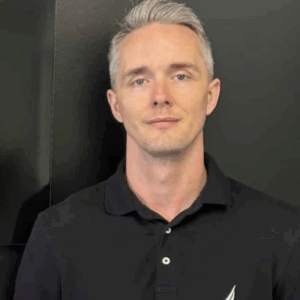
Portrait of Dr. Vahid Osman, Board-Certified Psychiatrist and Addictionologist
Medically Reviewed By
Dr. Vahid Osman, M.D.
Board-Certified Psychiatrist & Addictionologist
Dr. Vahid Osman is a Board-Certified Psychiatrist and Addictionologist with extensive experience treating mental illness, chemical dependency, and developmental disorders. Dr. Osman trained in Psychiatry in France and in Austin, Texas. Read more.
Portrait of Josh Sprung, L.C.S.W.
Clinically Reviewed By
Josh Sprung, L.C.S.W.
Board-Certified Clinical Social Worker
Joshua Sprung serves as a Clinical Reviewer at Louisville Addiction Center, bringing a wealth of expertise to ensure exceptional patient care. Read more.
→ Accreditations & Licenses

Addiction Treatment

Drug and Alcohol Rehab | Louisville Addiction Center

Treatment Programs

Treatment Programs | Louisville Addiction Center

Mental Health Services

Primary Mental Health | Louisville Addiction Center

Areas We Serve

  • Fayette
  • Bowling Green
  • Owensboro
  • Covington
  • Georgetown
  • Richmond
  • Florence
  • Elizabethtown
  • Nicholasville
  • Hopkinsville
  • Jeffersontown
  • Independence
  • Frankfort
  • Henderson
  • Paducah
  • Radcliff
  • Ashland
  • Erlanger
  • Madisonville
  • Winchester
  • Burlington
  • Mount Washington
  • St. Matthews
  • Murray
  • Fort Thomas
  • Shelbyville
  • Danville
  • Shively
  • Berea

What Our Patients Say: Stories of Hope and Recovery

Real Testimonials

Hear directly from those who have walked the path to recovery. Our patients’ stories highlight the compassionate care, effective programs, and life-changing support they’ve experienced. Let their journeys inspire you as you take your first steps toward healing.

Jesse B. profile picture
Jesse B.
21:09 28 Aug 25
I enjoyed the virtual IOP treatment more than I thought I would. It worked well with my work schedule and I got to be comfortable at home as well as being comfortable in the group. I was able to connect and exchange information with my peers and expand my recover/Sobriety network!

Get Directions to Louisville Addiction Center