Cirrhosis: Facts, Myths and Dangers

The liver is an extremely vital organ within the human body, cirrhosis can cause major impacts to an individual’s health. This is an extremely dangerous condition that can result in permanent damage or even death. A common leading cause of the condition is excessive drinking and alcoholism. Fortunately, getting help to overcome alcohol addiction is crucial to preventing this deadly condition.

Cirrhosis Facts

Cirrhosis is a condition in which permanent scarring occurs on the liver. The 12 nofollow noopener noreferrer3>liver is one of the vital organs within the body, meaning that it is essential to life. When the liver gets damaged by scarring, its level of functionality decreases. This organ is crucial to filtering toxins, as well as providing essential chemicals needed by the body. As the liver is damaged by this condition, its ability to filter and provide these chemicals is hindered, leading to different effects. Hepatitis, or inflammation in the liver, causes the liver to swell. With ongoing swelling, the liver, in an attempt to heal itself, begins to scar. Cirrhosis is dangerous, and without proper care, it can be deadly.

Cirrhosis Myths

There are many myths surrounding this condition. One of which is that it is caused solely by 12>heavy drinking or alcohol addiction. While many cases are due to heavy drinking, several conditions can lead to this kind of damage to the liver. Another myth surrounds the ability to reverse the condition. Early intervention, combined with lifestyle changes can help to not only slow its progression but also help to improve liver functionality. Cirrhosis is a condition that can affect people of all ages, contrary to the belief that it affects older generations. While it is a condition affecting the liver, it is not solely the liver that is affected. This condition can cause complications in other organs, making medical intervention all the more essential.

What Are Its Stages?

Like many medical conditions, there are stages to this one as well. Knowing the stages, and how to prevent progression of the condition can be beneficial for early intervention. Medical care is essential for preventing cirrhosis from worsening and potentially being able to improve liver function.

Stage 1- Inflammation

Whether from viral infections, 12>drug addiction, or heavy drinking, the inflammation can be detrimental. As the liver experiences prolonged swelling, scarring may occur. During the initial stage of inflammation, though, the signs and symptoms can go unnoticed. This is because the body can adjust to the decreased liver function. However, it is crucial to monitor and treat the underlying causes of the inflammation to prevent further complications.

Stage 2- Scarring

As previously stated, continuous swelling within the liver can result in the organ attempting to heal itself by scarring. Scarring causes decreased ability to function. Blood flow can be hindered by scarring, as well as experiencing increased abdominal pain and fatigue. Other symptoms that may occur as a result of scarring can include decreased appetite, weakness, and occasional jaundice. 

Stage 3- Cirrhosis

Cirrhosis is a chronic liver condition that is characterized by scarring that results in decreased liver function. This condition is indicative of late-stage liver damage that can be caused by alcohol abuse. Extensive damage to the liver can result in dangerous impacts to health, and lead to requiring a transplant to prevent severe impacts including death. Preventing further damage is essential, intervention to begin drinking cessation and address the damage is crucial.

Liver Disease

Looking out for signs of liver disease can help to identify the condition and treat it to prevent progression. Signs of liver disease can include unusually dark urine, fatigue, jaundice, abdominal pain and swelling, as well as abnormal bleeding and bruising. Treatment consists of addressing underlying conditions such as alcohol addiction. Then it implements lifestyle changes to help prevent the condition from getting worse. 

Can Cirrhosis Be Reversed?

This condition is chronic, meaning that it progresses and is long-term. However, cirrhosis can be partially reversed. While the liver may not return to 100% normal, if it is detected early and the underlying causes (such as alcohol addiction and heavy drinking) are addressed, progression can be prevented. Simultaneously, the liver can manage to regain some of its functionality

Alcohol Withdrawal

Alcohol abuse is one of the leading causes of cirrhosis. It is also a highly addictive substance, leading to damage in many different aspects of an individual’s life. Once the decision is made to stop drinking, it can be extremely difficult to stop without proper care and support. Alcohol withdrawal can be excruciating and extremely uncomfortable. With proper care, the symptoms of alcohol withdrawal can be managed, making cessation easier. 

Start Healing

As vital as the liver is within the human body, not many people understand the true impacts alcohol can have on it. Often, those who struggle with alcohol continue to drink despite the impacts it has caused in their life, which only complicates the condition worse. If you or a loved one are struggling with alcohol, know that there is hope, there is help available. At Louisville Addiction Center we offer care tailored to individual needs that can aid in beginning a path of healing and recovery. 12>Call us today and begin your journey of healing.
Educational & Informational Use

The content published on Louisville Addiction Center blog pages is intended for general educational and informational purposes related to addiction, substance use disorders, detoxification, rehabilitation, mental health, and recovery support. Blog articles are designed to help readers better understand addiction-related topics and explore treatment concepts, but they are not a substitute for professional medical advice, diagnosis, or individualized treatment planning.

Addiction and co-occurring mental health conditions are complex medical issues that affect individuals differently based on many factors, including substance type, length of use, physical health, mental health history, medications, age, and social environment. Because of this variability, information discussed in blog articles—such as withdrawal symptoms, detox timelines, treatment approaches, medications, relapse risks, or recovery strategies—may not apply to every individual. Reading blog content should not replace consultation with licensed medical or behavioral health professionals.

If you or someone you know is experiencing a medical or mental health emergency, call 911 immediately or go to the nearest emergency room. Emergencies may include suspected overdose, seizures, difficulty breathing, chest pain, severe confusion, hallucinations with unsafe behavior, loss of consciousness, suicidal thoughts, or threats of harm to oneself or others. Louisville Addiction Center blog content is not intended for crisis intervention and should never be used in place of emergency care.

Detoxification from drugs or alcohol can involve serious medical risks, particularly with substances such as alcohol, benzodiazepines, opioids, and certain prescription medications. Withdrawal symptoms can escalate quickly and may become life-threatening without proper medical supervision. Any blog content describing detox, withdrawal, or substance cessation is provided to raise awareness and encourage safer decision-making—not to instruct readers to detox on their own. Attempting self-detox without medical oversight can be dangerous and is strongly discouraged.

Blog articles may discuss various addiction treatment options, including medical detox, residential or inpatient rehab, outpatient programs, therapy modalities, medication-assisted treatment, aftercare planning, and recovery support services. These discussions reflect commonly used, evidence-informed approaches but do not represent guarantees of effectiveness or suitability for every person. Treatment recommendations should always be based on a comprehensive assessment conducted by licensed professionals.

Information related to insurance coverage, treatment costs, or payment options that appears within blog content is provided for general informational purposes only. Insurance benefits vary widely depending on the individual’s plan, carrier, state regulations, and medical necessity criteria. Coverage details may change without notice, and no insurance-related statements on blog pages should be interpreted as a promise of coverage or payment. Louisville Addiction Center encourages readers to contact our admissions team directly to verify insurance benefits and eligibility before making treatment decisions.

Some blog posts may reference third-party studies, external organizations, medications, community resources, or harm-reduction concepts. These references are provided for educational context only and do not constitute endorsements. Louisville Addiction Center does not control third-party content and is not responsible for the accuracy, availability, or practices of external websites or organizations.

Use of Louisville Addiction Center blog pages does not establish a provider–patient relationship. Submitting comments, contacting the center through a blog page, or reading articles does not guarantee admission to treatment or access to services. Recovery outcomes vary, and no specific results are promised or implied.

If you are struggling with substance use, withdrawal symptoms, or questions about treatment, we encourage you to seek guidance from licensed healthcare providers. For personalized information about treatment options or insurance verification, you may contact Louisville Addiction Center directly. For emergencies, call 911 immediately.

→ Sources
  1. Alcohol Rehab Help. (2022). Alcohol statistics in Kentucky. Alcohol Rehab Help. https://alcoholrehabhelp.org/kentucky/alcohol-statistics/
  2. Healthy KY. (n.d.). Drug and alcohol statistics in Kentucky. Healthy Kentucky. https://www.healthyky.org/drug-and-alcohol-statistics-in-kentucky.html
  3. Kentucky Office of Drug Control Policy. (n.d.). An assessment of Kentucky’s substance use disorder crisis. Commonwealth of Kentucky. https://odcp.ky.gov/
  4. Kong, J. (2022). An assessment of alcohol use disorder and treatment [Research brief]. University of Louisville. https://louisville.edu/sphis/departments/cik/docs-and-pdfs-1/Kong_AUD_ResearchBrief_FINALADA.pdf
  5. Substance Abuse and Mental Health Services Administration. (2019). State profile: Kentucky—N-SSATS report. SAMHSA. https://www.samhsa.gov/data/sites/default/files/quick_statistics/state_profiles/NSSATS-KY19.pdf
  6. Substance Abuse and Mental Health Services Administration. (2024). Underage drinking prevention programs in Kentucky. SAMHSA. https://library.samhsa.gov/sites/default/files/kentucky-iccpud-state-report-2024.pdf
  7. Wikipedia. (2025). Casey’s Law (Matthew Casey Wethington Act). In Wikipedia. https://en.wikipedia.org/wiki/Casey%27s_Law
→ Contributors
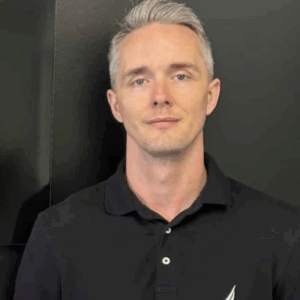
Portrait of Dr. Vahid Osman, Board-Certified Psychiatrist and Addictionologist
Medically Reviewed By
Dr. Vahid Osman, M.D.
Board-Certified Psychiatrist & Addictionologist
Dr. Vahid Osman is a Board-Certified Psychiatrist and Addictionologist with extensive experience treating mental illness, chemical dependency, and developmental disorders. Dr. Osman trained in Psychiatry in France and in Austin, Texas. Read more.
Portrait of Josh Sprung, L.C.S.W.
Clinically Reviewed By
Josh Sprung, L.C.S.W.
Board-Certified Clinical Social Worker
Joshua Sprung serves as a Clinical Reviewer at Louisville Addiction Center, bringing a wealth of expertise to ensure exceptional patient care. Read more.
→ Accreditations & Licenses

Addiction Treatment

Drug and Alcohol Rehab | Louisville Addiction Center

Treatment Programs

Treatment Programs | Louisville Addiction Center

Mental Health Services

Primary Mental Health | Louisville Addiction Center

Areas We Serve

  • Fayette
  • Bowling Green
  • Owensboro
  • Covington
  • Georgetown
  • Richmond
  • Florence
  • Elizabethtown
  • Nicholasville
  • Hopkinsville
  • Jeffersontown
  • Independence
  • Frankfort
  • Henderson
  • Paducah
  • Radcliff
  • Ashland
  • Erlanger
  • Madisonville
  • Winchester
  • Burlington
  • Mount Washington
  • St. Matthews
  • Murray
  • Fort Thomas
  • Shelbyville
  • Danville
  • Shively
  • Berea

What Our Patients Say: Stories of Hope and Recovery

Real Testimonials

Hear directly from those who have walked the path to recovery. Our patients’ stories highlight the compassionate care, effective programs, and life-changing support they’ve experienced. Let their journeys inspire you as you take your first steps toward healing.

Jesse B. profile picture
Jesse B.
21:09 28 Aug 25
I enjoyed the virtual IOP treatment more than I thought I would. It worked well with my work schedule and I got to be comfortable at home as well as being comfortable in the group. I was able to connect and exchange information with my peers and expand my recover/Sobriety network!

Get Directions to Louisville Addiction Center