How are Hallucinogens Dangerous?

The National Institute on Drug Abuse (NIDA) says that hallucinogens are sometimes addictive, and it is possible to overdose on them. How are hallucinogens dangerous? Well, the fact that they can lead to addiction, or cause an overdose is enough to classify them as dangerous drugs. These drugs alter the user’s perception of reality, as well as their mental state. Predispositions to addiction can cause this class of drugs to lead to addiction, and addiction oftentimes leads to overdose. Hallucinogens are dangerous drugs, and understanding those dangers is crucial to overcoming addiction to these drugs. 

What are Hallucinogens?

Simply put, they are a special class of drugs in which the user tends to have an altered perception of reality. As such, they can affect the way a person views their surroundings, as well as their thoughts and feelings. Hallucinogens are often categorized by two different names: classic and dissociative hallucinogens. They both cause hallucinations, and dissociative hallucinogens can cause users to feel an almost disconnected state of being. Some of the common forms of each, classic and dissociative, are listed below. Classic
  • Psilocybin
  • LSD
  • Peyote
Dissociative
  • Salvia
  • PCP
  • Ketamine
Each of these drugs causes its own set of effects, and side effects that can be dangerous, and lead to severe long-term effects.

How Hallucinogens Work

Hallucinogens work by altering the brain’s production of essential chemicals that are used to regulate most bodily functions. Classic hallucinogens tend to have shorter-term effects than dissociative hallucinogens do. However, both forms can cause drastic changes in the brain, as well as the behaviors of the user.  These drugs can build tolerance and lead to addiction in the user. For example, while LSD does not produce the usual drug-seeking behaviors often seen in drug addiction, it can build that tolerance and cause the user to require more and more of the drug to reach the desired effect. Furthermore, continuous and repeated PCP use can lead the user to feel intense cravings, headaches, and sweats, all of which are withdrawal symptoms of the drug. Therefore, how hallucinogens are dangerous can be determined with this knowledge. Moreover, any illicitly created drug comes with dangers. Because one can never really know exactly what is in these drugs. 

Commonly Used Hallucinogenic Drugs

Just like most other drugs, hallucinogens come in different forms. As such, these drugs are classified as hallucinogens based on the way they affect the brain. Here are some commonly used hallucinogenic drugs:
  • LSD/Acid
  • MDMA
  • Mushrooms
  • Peyote
  • Ketamine
These drugs all come with different side effects, and most have no medical use. However, a specific form of ketamine called esketamine has, in recent years, proven to be effective in the treatment of resistant depression. Aside from this, there is no known medical benefit to these hallucinogenic drugs.

How do Dangerous Hallucinogens affect the Brain?

It is commonly believed that classic hallucinogens work in the brain by changing the way that serotonin is received and processed. Serotonin is crucial to many of the body’s physical functions. Also, it regulates things like mood, sleep, hunger, body temp, and sexual behaviors. Similarly, dissociative hallucinogens adversely affect the glutamine produced in the brain. Glutamine helps to regulate bodily functions such as perception of pain, learning, memory, and emotions. So, how hallucinogens are dangerous is answered by the way they negatively impact the brain’s production and use of vital chemicals.  It is more commonly heard of in classic hallucinogens for users to refer to their experience as “trips”. The effects can begin in as little as 20 minutes and last for as long as 12 hours, depending on the substance being used. Further, with dissociative hallucinogens, the effects can seem more intense as the user often disconnects, or dissociates, from their own body in their mind. In fact, frequent use of hallucinogens can deteriorate a person’s 12>mental health. Additionally, other effects of classic and dissociative hallucinogens can include things like:
  • Increased heart rate
  • Heightened sensory perception
  • Nausea
  • Slowed sense of time
  • Psychosis
  • Sleep problems
  • Paranoia
  • Dry mouth
  • Loss of appetite
  • Uncoordinated movement

Are Hallucinogens Dangerous?

The short answer is- yes they are dangerous. How are hallucinogens dangerous? Well, the fact that they alter a person’s personal perception of reality, as well as the production of essential chemicals in the brain can be dangerous to the user. As such, drugs that alter perceptions of reality can cause users to do things they would never usually do.  This is especially true when they act out on suicidal thoughts and feelings. Hallucinogen use can also lead to 12>addiction, especially in those who are predisposed to an addiction to drugs or alcohol. Overuse of these drugs, more commonly with dissociative hallucinogens, can lead to overdose. When someone overdoses on these drugs it can lead to coma, seizures, and even death. Anyone struggling with these drugs should consider seeking help to address the underlying causes of drug use. 

Get Help for Hallucinogen Abuse in Louisville, KY

Hallucinogen use can lead to fatal consequences. If you or a loved one are struggling, there is hope, and there is help. Louisville Addiction Center aims to give those under our care the treatment they need for substance use disorders. 12>Reach out to us today and begin your journey to recovery from addiction to these dangerous drugs.
Educational & Informational Use

The content published on Louisville Addiction Center blog pages is intended for general educational and informational purposes related to addiction, substance use disorders, detoxification, rehabilitation, mental health, and recovery support. Blog articles are designed to help readers better understand addiction-related topics and explore treatment concepts, but they are not a substitute for professional medical advice, diagnosis, or individualized treatment planning.

Addiction and co-occurring mental health conditions are complex medical issues that affect individuals differently based on many factors, including substance type, length of use, physical health, mental health history, medications, age, and social environment. Because of this variability, information discussed in blog articles—such as withdrawal symptoms, detox timelines, treatment approaches, medications, relapse risks, or recovery strategies—may not apply to every individual. Reading blog content should not replace consultation with licensed medical or behavioral health professionals.

If you or someone you know is experiencing a medical or mental health emergency, call 911 immediately or go to the nearest emergency room. Emergencies may include suspected overdose, seizures, difficulty breathing, chest pain, severe confusion, hallucinations with unsafe behavior, loss of consciousness, suicidal thoughts, or threats of harm to oneself or others. Louisville Addiction Center blog content is not intended for crisis intervention and should never be used in place of emergency care.

Detoxification from drugs or alcohol can involve serious medical risks, particularly with substances such as alcohol, benzodiazepines, opioids, and certain prescription medications. Withdrawal symptoms can escalate quickly and may become life-threatening without proper medical supervision. Any blog content describing detox, withdrawal, or substance cessation is provided to raise awareness and encourage safer decision-making—not to instruct readers to detox on their own. Attempting self-detox without medical oversight can be dangerous and is strongly discouraged.

Blog articles may discuss various addiction treatment options, including medical detox, residential or inpatient rehab, outpatient programs, therapy modalities, medication-assisted treatment, aftercare planning, and recovery support services. These discussions reflect commonly used, evidence-informed approaches but do not represent guarantees of effectiveness or suitability for every person. Treatment recommendations should always be based on a comprehensive assessment conducted by licensed professionals.

Information related to insurance coverage, treatment costs, or payment options that appears within blog content is provided for general informational purposes only. Insurance benefits vary widely depending on the individual’s plan, carrier, state regulations, and medical necessity criteria. Coverage details may change without notice, and no insurance-related statements on blog pages should be interpreted as a promise of coverage or payment. Louisville Addiction Center encourages readers to contact our admissions team directly to verify insurance benefits and eligibility before making treatment decisions.

Some blog posts may reference third-party studies, external organizations, medications, community resources, or harm-reduction concepts. These references are provided for educational context only and do not constitute endorsements. Louisville Addiction Center does not control third-party content and is not responsible for the accuracy, availability, or practices of external websites or organizations.

Use of Louisville Addiction Center blog pages does not establish a provider–patient relationship. Submitting comments, contacting the center through a blog page, or reading articles does not guarantee admission to treatment or access to services. Recovery outcomes vary, and no specific results are promised or implied.

If you are struggling with substance use, withdrawal symptoms, or questions about treatment, we encourage you to seek guidance from licensed healthcare providers. For personalized information about treatment options or insurance verification, you may contact Louisville Addiction Center directly. For emergencies, call 911 immediately.

→ Sources
  1. Alcohol Rehab Help. (2022). Alcohol statistics in Kentucky. Alcohol Rehab Help. https://alcoholrehabhelp.org/kentucky/alcohol-statistics/
  2. Healthy KY. (n.d.). Drug and alcohol statistics in Kentucky. Healthy Kentucky. https://www.healthyky.org/drug-and-alcohol-statistics-in-kentucky.html
  3. Kentucky Office of Drug Control Policy. (n.d.). An assessment of Kentucky’s substance use disorder crisis. Commonwealth of Kentucky. https://odcp.ky.gov/
  4. Kong, J. (2022). An assessment of alcohol use disorder and treatment [Research brief]. University of Louisville. https://louisville.edu/sphis/departments/cik/docs-and-pdfs-1/Kong_AUD_ResearchBrief_FINALADA.pdf
  5. Substance Abuse and Mental Health Services Administration. (2019). State profile: Kentucky—N-SSATS report. SAMHSA. https://www.samhsa.gov/data/sites/default/files/quick_statistics/state_profiles/NSSATS-KY19.pdf
  6. Substance Abuse and Mental Health Services Administration. (2024). Underage drinking prevention programs in Kentucky. SAMHSA. https://library.samhsa.gov/sites/default/files/kentucky-iccpud-state-report-2024.pdf
  7. Wikipedia. (2025). Casey’s Law (Matthew Casey Wethington Act). In Wikipedia. https://en.wikipedia.org/wiki/Casey%27s_Law
→ Contributors
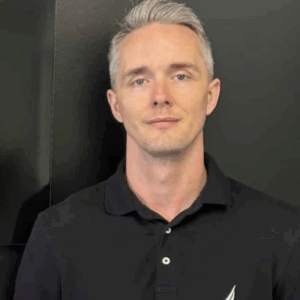
Portrait of Dr. Vahid Osman, Board-Certified Psychiatrist and Addictionologist
Medically Reviewed By
Dr. Vahid Osman, M.D.
Board-Certified Psychiatrist & Addictionologist
Dr. Vahid Osman is a Board-Certified Psychiatrist and Addictionologist with extensive experience treating mental illness, chemical dependency, and developmental disorders. Dr. Osman trained in Psychiatry in France and in Austin, Texas. Read more.
Portrait of Josh Sprung, L.C.S.W.
Clinically Reviewed By
Josh Sprung, L.C.S.W.
Board-Certified Clinical Social Worker
Joshua Sprung serves as a Clinical Reviewer at Louisville Addiction Center, bringing a wealth of expertise to ensure exceptional patient care. Read more.
→ Accreditations & Licenses

Addiction Treatment

Drug and Alcohol Rehab | Louisville Addiction Center

Treatment Programs

Treatment Programs | Louisville Addiction Center

Mental Health Services

Primary Mental Health | Louisville Addiction Center

Areas We Serve

  • Fayette
  • Bowling Green
  • Owensboro
  • Covington
  • Georgetown
  • Richmond
  • Florence
  • Elizabethtown
  • Nicholasville
  • Hopkinsville
  • Jeffersontown
  • Independence
  • Frankfort
  • Henderson
  • Paducah
  • Radcliff
  • Ashland
  • Erlanger
  • Madisonville
  • Winchester
  • Burlington
  • Mount Washington
  • St. Matthews
  • Murray
  • Fort Thomas
  • Shelbyville
  • Danville
  • Shively
  • Berea

What Our Patients Say: Stories of Hope and Recovery

Real Testimonials

Hear directly from those who have walked the path to recovery. Our patients’ stories highlight the compassionate care, effective programs, and life-changing support they’ve experienced. Let their journeys inspire you as you take your first steps toward healing.

Jesse B. profile picture
Jesse B.
21:09 28 Aug 25
I enjoyed the virtual IOP treatment more than I thought I would. It worked well with my work schedule and I got to be comfortable at home as well as being comfortable in the group. I was able to connect and exchange information with my peers and expand my recover/Sobriety network!

Get Directions to Louisville Addiction Center