MAT Rehab in Louisville, KY

Medication-assisted therapy (MAT) rehab in Louisville, KY, stands at the forefront of modern addiction treatment for those battling substance use disorders. This innovative treatment not only helps manage withdrawal symptoms and cravings but also addresses the underlying causes of addiction.

Though these medications are not a cure, they can increase the chances of recovery for those struggling with a severe addiction. 

Our MAT program in Louisville, KY, helps clients manage the intense cravings and dangerous withdrawal symptoms from highly addictive substances such as alcohol, benzodiazepine, and opioids.

What is Medication-Assisted Treatment?

Medication-assisted therapy (MAT) is a compassionate approach to treating addiction that combines FDA-approved medications with counseling and behavioral therapies. 

These medications help reduce withdrawal symptoms and cravings, making it easier for individuals to focus on their recovery. 

The goal of MAT drug rehab in Louisville, KY, is to personalize a plan and help individuals achieve and maintain recovery by addressing both the physical and psychological aspects of addiction.

MAT is not about substituting one addiction for another. The medications used in MAT are carefully selected to help stabilize brain chemistry, reduce the risk of relapse, and support long-term recovery. 

Combined with counseling and behavioral therapies, MAT provides a comprehensive approach to addiction treatment that is effective in helping people overcome substance use disorders. MAT is a proven and compassionate way to support individuals on their journey to recovery, offering hope and a path to a healthier, more fulfilling life.

MAT medications also help a person focus on their treatment during early recovery. People dealing with withdrawal and cravings often struggle to engage in their treatment program. They might be distracted by intense cravings or feel physically distressed. MAT medications can take the edge off of these symptoms so that a person can focus on their recovery.

Medications Used in Our MAT Rehab in Louisville, KY

Not all treatment centers offer the same types of medications for MAT. At our MAT program in Louisville, KY, we provide two medicines that work best for our outpatient program. Some medications, like methadone for opioid addiction, require clients to attend a daily clinic to receive their dosage. 

However, we know that this commitment doesn’t work for everyone. Therefore, we offer two injectable medications that clients only need to take once a month.

Vivitrol

Vivitrol treats both alcohol and opioid use disorders. The active ingredient in Vivitrol is a medication called naltrexone. Naltrexone blocks the opioid receptors in the brain. 

Therefore, a person will not experience the effects of opioid drugs, like heroin, oxycodone, or fentanyl, if they do relapse. Naltrexone also diminishes cravings and urges to use opioids and alcohol.

While alcohol is not an opioid, the opioid receptors play a role in the euphoric effects that a person feels when they drink. Thus, medications with naltrexone, such as Vivitrol, also work for alcohol use disorders.

Sublocade

Sublocade is used only for opioid use disorders. Buprenorphine is the active medication in a Sublocade injection. Buprenorphine is a partial opioid agonist.

Unlike naltrexone, buprenorphine activates opioid receptors. However, buprenorphine activates these receptors to a lesser extent than an opioid drug. 

This partial activation doesn’t get a person “high” like heroin or fentanyl. But, by activating the receptors, the person doesn’t get the intense cravings that they might get without the medication.

These medications reduce cravings and minimize the severity of withdrawal symptoms. Unlike most other drugs, withdrawal symptoms from opioid and alcohol use disorder can be life-threatening. 

A person going through opioid withdrawal is at a high risk of overdosing if they relapse. 

MAT For Alcohol Use Disorders

Medical-assisted detox for alcohol addiction works by reducing withdrawal symptoms. People with severe alcohol addictions often find that deciding whether to take alcohol detox medications can be a matter of life and death. The reason is that they risk experiencing severe medical symptoms during detox, like seizures and delirium tremens, which MAT can help avoid. 

MAT offers a comprehensive approach to treating alcohol use disorder (AUD), combining medications with counseling and behavioral therapies to support recovery. The proper MAT for alcohol use disorder provides the following benefits:

  • Reduces cravings for alcohol
  • Helps manage withdrawal symptoms
  • Improves treatment retention
  • Supports long-term recovery
  • Reduces the risk of relapse
  • Provides a holistic approach to treatment

During alcohol withdrawal, a client could have severe symptoms known as delirium tremens. These symptoms include things like mental confusion, which can cause the person to take risks or put themselves in harm’s way.

How Do MAT Meds Work?

MAT drug rehab and MAT for alcohol use disorder integrate medications with counseling, behavioral therapies, and support to offer a comprehensive approach to recovery.

Medication-assisted treatment aids in combating drug addiction by:

  • Alleviating withdrawal symptoms
  • Diminishing cravings
  • Blocking the effects of drugs
  • Stabilizing brain function
  • Supporting abstinence
  • Enhancing treatment retention
  • Reducing the risk of overdose and other health-related conditions
  • Establishing a stable foundation for recovery

It’s important to emphasize that MAT is not merely replacing one drug with another. Addiction specialists thoughtfully select and prescribe medications to align with your health, wellness, and recovery goals. 

MAT is most successful when tailored to an individual’s requirements and integrated into a comprehensive treatment strategy for long-term sobriety.

What Are the Benefits of the MAT Program in Louisville?

Do you or a loved one need rehab? Rest assured, you’re in the right place. Our medication-assisted treatment in Louisville offers several benefits, including the following:

  • Reduced risk of relapse and overdose in early recovery
  • More engagement in recovery programs
  • Behavioral therapy for a complete treatment program
  • Flexible scheduling of monthly injections
  • Curbing or eliminating cravings for opioids or alcohol
  • Relief from painful or distressing withdrawal symptoms
  • Hope for those with severe, long-term addictions

These benefits are all part of our MAT rehab in Louisville, KY. 

Clients receive medications for severe dependence. Plus, they will also receive well-rounded care for many problems caused by addiction. 

How Long Do the Effects of MAT Last?

Injectable medications like Sublocade and Vivitrol are most effective for the first few weeks after the injection. The effects do wear off throughout the month, however. 

Hence, clients receiving medication-assisted treatment at Louisville Addiction Center must stick to their monthly injection schedule. Otherwise, they could be at a high risk of relapse and overdose if they miss a dose.

Because these medications only help with specific symptoms like cravings and withdrawal, clients must continue to attend other types of treatment. Combining behavioral therapy and medications is critical for success at our MAT program in Louisville, Kentucky.

Begin MAT Rehab in Louisville, KY Today

Our MAT treatment centers help those with severe addictions to alcohol, benzodiazepines (Xanax)), or opioids. Addictions to these substances can cause severe cravings and withdrawal symptoms for those in early recovery. 

Louisville Addiction Center offers comprehensive MAT drug rehab and MAT for alcohol use disorder. 

MAT programs in Louisville include group or individual therapy, holistic approaches, and varying levels of care. 

With our medication-assisted treatment in Louisville, individuals can find the support and tools they need to reclaim their lives and embark on a path to lasting sobriety. Take the first step towards a brighter future today with MAT drug rehab in Louisville.

Contact us today to free yourself from addiction.


FAQ: MAT Rehab in Louisville, KY

What is Medication-Assisted Treatment and how does it help with addiction recovery?

Medication-Assisted Treatment, often called MAT, is an approach that combines FDA-approved medications with counseling and behavioral therapies to support recovery from substance use disorders. It is designed to address both the physical side of addiction and the psychological patterns that keep substance use going. MAT can reduce withdrawal symptoms and cravings, which helps people stay more stable in early recovery and better able to engage in treatment.

MAT is not positioned as a cure. Instead, it can improve the chances of recovery for people dealing with severe addiction by reducing the intensity of early obstacles that often lead to relapse. When cravings and withdrawal feel overwhelming, it can be hard to focus on therapy, group work, and behavior change. MAT helps take the edge off those symptoms so the rest of treatment can work more effectively.

Another important part of MAT is that it is not meant to substitute one addiction for another. Medications are carefully selected to support stability, reduce relapse risk, and help people build long-term recovery skills.

When MAT is paired with counseling and behavioral therapies, it becomes a more complete treatment strategy that supports both immediate stabilization and lasting change.

What substances can MAT support at Louisville Addiction Center?

MAT at Louisville Addiction Center is described as especially helpful for people facing severe cravings and dangerous withdrawal symptoms tied to highly addictive substances. The program is positioned to help with alcohol, benzodiazepines, and opioids, since dependence in these categories can create intense early-recovery symptoms that make relapse more likely.

For opioid use disorders, cravings and withdrawal can be powerful enough to pull someone back into use quickly. MAT is designed to reduce those cravings and ease withdrawal distress, which supports abstinence and lowers the risk of returning to opioids during a vulnerable period. The program also notes that opioid withdrawal carries a serious risk of overdose if relapse occurs, which is one reason stabilization and structured care matter.

For alcohol use disorders, withdrawal can involve severe medical symptoms, including seizures and delirium tremens. MAT is presented as a way to reduce withdrawal symptoms and support safety during early recovery.

For benzodiazepine dependence, withdrawal can also be dangerous and difficult to tolerate. MAT support is positioned as part of a broader treatment plan that includes counseling, behavioral therapies, and ongoing recovery support, rather than medication alone.

What medications are used in this MAT program, and why are they monthly injections?

Louisville Addiction Center highlights two injectable medications used in its outpatient MAT approach: Vivitrol and Sublocade. The program emphasizes that not all treatment centers offer the same MAT medications, and it specifically chooses options that work well within an outpatient structure.

A key reason for monthly injections is practicality. Some medications, like methadone for opioid addiction, require daily clinic visits for dosing. That level of daily commitment may not fit everyone’s life, schedule, or responsibilities. By contrast, the program’s two injectable options are taken once per month, which can make treatment more accessible and easier to maintain consistently.

Monthly injections also support routine and accountability. When dosing is consistent, cravings and withdrawal symptoms can be better managed across the month, giving someone a stronger chance to stay engaged in counseling and behavioral therapies. The program stresses the importance of sticking to the monthly injection schedule because missing a dose can increase relapse and overdose risk.

While medication can reduce specific symptoms, it is meant to work alongside therapy, group support, and other levels of care. The injection schedule is one part of a broader plan designed to support stability and long-term recovery.

How does Vivitrol work for opioid and alcohol use disorders?

Vivitrol is described as a medication that treats both alcohol and opioid use disorders. Its active ingredient is naltrexone, which blocks opioid receptors in the brain. When opioid receptors are blocked, the effects of opioid drugs are reduced, and the medication can also diminish cravings and urges to use.

In the context of opioid use disorders, this blocking effect is especially important because it can reduce reinforcement if a person returns to opioid use. The program also points out that Vivitrol’s receptor activity supports craving reduction, which can help people stay more stable while they build recovery skills through counseling and behavioral therapy.

Vivitrol is also presented as helpful for alcohol use disorders. Even though alcohol is not an opioid, the program notes that opioid receptors play a role in the euphoric effects someone experiences when drinking. Because naltrexone interacts with those receptors, medications containing naltrexone can support alcohol recovery as well.

Vivitrol is positioned as part of a comprehensive plan, not a standalone solution. When cravings and urges are reduced, many people are better able to focus on therapy, participate more fully, and stay engaged in a recovery routine that supports long-term change.

How does Sublocade work for opioid use disorder, and how is it different from Vivitrol?

Sublocade is described as a monthly injectable medication used only for opioid use disorders. Its active medication is buprenorphine, which works differently than naltrexone. Rather than blocking opioid receptors, buprenorphine is a partial opioid agonist, meaning it activates opioid receptors but to a lesser extent than opioid drugs.

This partial activation is presented as a key benefit. Sublocade is described as not producing a high like heroin or fentanyl, while still activating receptors enough to reduce intense cravings. By lowering cravings and minimizing withdrawal severity, Sublocade can help someone stay stable during early recovery when urges to use can be strongest.

The program contrasts this with naltrexone-based medication. Vivitrol blocks opioid receptors, while buprenorphine partially activates them. Even though the mechanisms differ, both approaches are framed around the same recovery goals: reducing cravings, easing withdrawal symptoms, and improving a person’s ability to participate in treatment.

Sublocade is not presented as a replacement for therapy. Instead, it supports stabilization so counseling, behavioral therapies, and ongoing recovery programming can be more effective. In other words, medication helps create a foundation, and the rest of treatment builds the structure needed for long-term sobriety.

What are the benefits of MAT for alcohol use disorder, especially during withdrawal?

MAT is presented as a comprehensive approach for alcohol use disorder that combines medication with counseling and behavioral therapies. The goal is to support recovery by addressing both physical withdrawal symptoms and the ongoing psychological patterns that can drive continued drinking.

One of the key reasons MAT matters for alcohol recovery is the potential severity of withdrawal. The program notes that severe alcohol withdrawal can involve dangerous medical symptoms, including seizures and delirium tremens. Delirium tremens is described as potentially involving mental confusion that can lead someone to take risks or put themselves in harm’s way. Because of these risks, medication support during withdrawal can be positioned as a critical safety measure for people with severe alcohol dependence.

The program also lists benefits of proper MAT for alcohol use disorder, including reducing cravings for alcohol, helping manage withdrawal symptoms, improving treatment retention, supporting long-term recovery, reducing relapse risk, and offering a holistic approach to treatment.

MAT is framed as a support system that helps people stay engaged. When withdrawal symptoms and cravings are reduced, it becomes easier to participate in therapy, follow a treatment plan, and build relapse prevention skills that carry forward after early recovery.

What does MAT include beyond medication, and why is therapy still necessary?

MAT is described as more than medication alone. The program emphasizes that MAT integrates medications with counseling, behavioral therapies, and support to create a comprehensive recovery approach. Medication helps with specific symptoms like cravings and withdrawal, but addiction recovery typically requires deeper work to address behaviors, coping patterns, and underlying drivers of substance use.

A major advantage of MAT is that it can help people engage more fully in treatment. When someone is distracted by intense cravings or feels physically distressed from withdrawal, participation can drop and motivation can feel unstable. MAT medications can reduce that burden, helping a person focus on therapy, group work, and behavior change instead of fighting symptoms all day.

The program highlights multiple ways MAT supports recovery, including alleviating withdrawal symptoms, diminishing cravings, blocking the effects of drugs, stabilizing brain function, supporting abstinence, enhancing treatment retention, reducing the risk of overdose and other health-related conditions, and establishing a stable foundation for recovery.

Therapy remains essential because medication does not teach coping skills, rebuild relationships, or address relapse triggers by itself. Counseling and behavioral therapies help people develop tools for stress, emotion regulation, and decision-making. MAT supports stability so therapy can do its job more effectively, creating a stronger pathway to long-term sobriety.

How long do MAT injections last, and what happens if someone misses a dose?

The program explains that injectable medications like Sublocade and Vivitrol are most effective in the first few weeks after the injection, and their effects wear off throughout the month. Because of that, staying on a consistent monthly injection schedule is emphasized as an important part of treatment.

When a person misses a dose, the program warns that they may be at a higher risk of relapse and overdose. This risk matters because MAT is designed to reduce cravings and withdrawal symptoms, which are two major relapse drivers in early recovery. If the medication’s effects fade and are not renewed on schedule, cravings can return stronger, and withdrawal discomfort may become harder to tolerate.

The program also makes an important point about the role of medication. These injections help with specific symptoms, but they are not the entire treatment plan. Clients are expected to continue attending other types of treatment because combining behavioral therapy and medications is described as critical for success. That combination supports both symptom relief and long-term behavior change.

A practical takeaway is that MAT works best when it is consistent and integrated. Monthly injections provide a predictable support structure, and therapy and other recovery services build the skills and stability needed to maintain sobriety beyond medication effects.

Medication-Assisted Treatment (MAT) in Louisville, KY | Louisville Addiction Center

Medication-Assisted Treatment (MAT) combines FDA-approved medications with counseling and behavioral therapy to treat opioid and alcohol use disorders. Louisville Addiction Center provides MAT in Louisville, Kentucky as part of our comprehensive addiction treatment programs.

MAT can significantly reduce cravings, stabilize withdrawal symptoms, and lower the risk of relapse or overdose. When clinically appropriate, medications are carefully prescribed and monitored by qualified medical professionals within a structured treatment plan.

MAT is not a substitute for therapy — it is a medical tool that supports recovery by addressing the physical aspects of dependence while clients engage in counseling and relapse prevention work.

Our team conducts thorough medical and psychiatric evaluations to determine whether MAT is appropriate for each individual. Treatment plans are personalized to ensure safety and effectiveness.

If you or a loved one is struggling with opioid or alcohol addiction in Louisville, medication-assisted treatment may provide the stability needed to begin recovery.

Call Louisville Addiction Center today for confidential admissions support and immediate insurance verification. Safe, evidence-based treatment is available now.


→ Clinical & Safety-Focused

The information presented on Louisville Addiction Center website pages is intended solely for general educational and informational purposes related to addiction treatment, medical detoxification, rehabilitation services, and recovery support. This content is not intended to serve as medical advice, diagnosis, treatment planning, or a substitute for professional medical care. Substance use disorders are complex medical conditions that require individualized evaluation by qualified healthcare professionals.

Detoxification and rehabilitation needs vary widely based on the type of substance used, duration and frequency of use, physical health, mental health history, co-occurring disorders, and other individual factors. Information discussing detox timelines, withdrawal symptoms, medications, or treatment approaches is generalized and may not apply to every individual. Treatment decisions should always be made in consultation with licensed physicians, addiction specialists, or behavioral health providers.

If you or someone you love is experiencing a medical emergency — including but not limited to overdose, seizures, loss of consciousness, breathing difficulties, chest pain, suicidal thoughts, or violent behavior — call 911 immediately or go to the nearest emergency room. Louisville Addiction Center does not provide emergency medical services through this website, and no online content should delay urgent medical intervention.

Attempting to detox from alcohol, opioids, benzodiazepines, or other substances without medical supervision can be dangerous and potentially life-threatening. Withdrawal symptoms can be unpredictable and severe. Any detox-related information provided is for awareness only and should never replace professional medical oversight.

Information regarding insurance coverage, treatment costs, or payment options is provided for general guidance purposes only. Insurance benefits vary by carrier, policy, state regulations, and medical necessity determinations. Coverage information is not guaranteed and may change without notice. Louisville Addiction Center strongly encourages individuals to contact our admissions team directly to verify insurance benefits, eligibility, and coverage prior to making treatment decisions.

While reasonable efforts are made to ensure accuracy, Louisville Addiction Center makes no warranties regarding the completeness or timeliness of website content. Healthcare regulations, clinical standards, and insurance policies evolve regularly. Reliance on any information provided is at your own risk.

This website may include references or links to third-party resources for informational purposes. Such references do not constitute endorsements. Louisville Addiction Center is not responsible for external content, services, or policies.

Use of this website does not establish a provider-patient relationship. Contacting Louisville Addiction Center does not guarantee admission or treatment. Recovery outcomes vary and are never guaranteed.

→ Patient Decision-Making & Liability

All content published on Louisville Addiction Center website pages is provided for informational purposes only and should not be interpreted as medical, psychological, or legal advice. This information is not intended to diagnose, treat, cure, or prevent any disease or condition and should not replace consultation with licensed healthcare professionals.

Addiction is a chronic, relapsing medical condition that requires individualized care. Treatment approaches, detox protocols, and rehabilitation services vary depending on numerous factors unique to each individual. No information on this website should be relied upon to make treatment decisions without professional guidance.

If you are experiencing an emergency situation, including overdose, withdrawal complications, suicidal ideation, or immediate risk to yourself or others, call 911 immediately. Louisville Addiction Center does not provide emergency medical services online or via website communication.

Never attempt to discontinue substance use or begin detox without proper medical supervision. Withdrawal can cause serious medical complications. Any information regarding detoxification is general in nature and does not substitute for physician-directed care.

Insurance information presented on this website is intended solely to assist users in understanding potential coverage options. Coverage is subject to verification, medical necessity determinations, and policy limitations. Louisville Addiction Center encourages direct contact with our admissions specialists to confirm benefits and eligibility.

We do not guarantee treatment outcomes, length of stay, insurance approvals, or placement availability. Outcomes depend on numerous clinical and personal factors.

External links are provided for convenience and informational purposes only. Louisville Addiction Center assumes no responsibility for third-party content or practices.

Use of this website does not establish a doctor-patient or therapist-patient relationship. Recovery requires professional support and individualized care.


→ Sources

American Psychological Association. (n.d.). Evidence‑based treatment for opioid use disorder. APA Publications. https://www.apa.org/topics/substance-use-abuse-addiction/evidence-based-treatment-opioids Clean Slate Centers+15Louisville Addiction Center+15Louisville Addiction Center+15American Psychological Association

Best Practices: Medication‑Assisted Treatment. (n.d.). Vital Alabama / MH Alabama PDF. https://vitalalabama.com/wp-content/uploads/2022/10/MAT-Digital-PDF_10-6.pdf VitAL Alabama

Jermyn, J. (2022). Review of medication‑assisted treatment for opioid use disorder. Journal of Osteopathic Medicine, 122(7). https://doi.org/10.1515/jom-2021-0163 Recovery.com+15De Gruyter Brill+15SAGE Journals+15

SAMHSA. (n.d.). Medication‑Assisted Treatment Models of Care for Opioid Use Disorder in Primary Care Settings: Technical Brief. SAMHSA Evidence‑Based Practices Resource Center. https://www.samhsa.gov/resource/ebp/medication-assisted-treatment-models-care-opioid-use-disorder-primary-care-settings SAMHSA+1

The American Journal of Managed Care. (n.d.). An overview of medication‑assisted treatment for opioid and alcohol use disorders. AJMC. https://www.ajmc.com/view/an-overview-of-medication-assisted-treatment-for-opioid-and-alcohol-use-disorders

→ Contributors
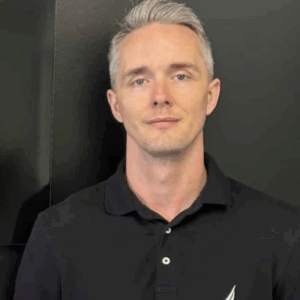
Portrait of Dr. Vahid Osman, Board-Certified Psychiatrist and Addictionologist
Medically Reviewed By
Dr. Vahid Osman, M.D.
Board-Certified Psychiatrist & Addictionologist
Dr. Vahid Osman is a Board-Certified Psychiatrist and Addictionologist with extensive experience treating mental illness, chemical dependency, and developmental disorders. Dr. Osman trained in Psychiatry in France and in Austin, Texas. Read more.
Portrait of Josh Sprung, L.C.S.W.
Clinically Reviewed By
Josh Sprung, L.C.S.W.
Board-Certified Clinical Social Worker
Joshua Sprung serves as a Clinical Reviewer at Louisville Addiction Center, bringing a wealth of expertise to ensure exceptional patient care. Read more.
→ Accreditations & Licenses

Get Family Support Now


Supporting Families Through Recovery

We understand addiction affects the whole family. Our comprehensive family program helps rebuild trust and restore relationships.

 Weekly Family Therapy Sessions

 Educational Workshops

 Support Groups

 Communication Skills Training

Get Family Support Now


→ Sources

American Psychological Association. (n.d.). Evidence‑based treatment for opioid use disorder. APA Publications. https://www.apa.org/topics/substance-use-abuse-addiction/evidence-based-treatment-opioids Clean Slate Centers+15Louisville Addiction Center+15Louisville Addiction Center+15American Psychological Association

Best Practices: Medication‑Assisted Treatment. (n.d.). Vital Alabama / MH Alabama PDF. https://vitalalabama.com/wp-content/uploads/2022/10/MAT-Digital-PDF_10-6.pdf VitAL Alabama

Jermyn, J. (2022). Review of medication‑assisted treatment for opioid use disorder. Journal of Osteopathic Medicine, 122(7). https://doi.org/10.1515/jom-2021-0163 Recovery.com+15De Gruyter Brill+15SAGE Journals+15

SAMHSA. (n.d.). Medication‑Assisted Treatment Models of Care for Opioid Use Disorder in Primary Care Settings: Technical Brief. SAMHSA Evidence‑Based Practices Resource Center. https://www.samhsa.gov/resource/ebp/medication-assisted-treatment-models-care-opioid-use-disorder-primary-care-settings SAMHSA+1

The American Journal of Managed Care. (n.d.). An overview of medication‑assisted treatment for opioid and alcohol use disorders. AJMC. https://www.ajmc.com/view/an-overview-of-medication-assisted-treatment-for-opioid-and-alcohol-use-disorders

→ Contributors
Portrait of Dr. Vahid Osman, Board-Certified Psychiatrist and Addictionologist
Medically Reviewed By
Dr. Vahid Osman, M.D.
Board-Certified Psychiatrist & Addictionologist
Dr. Vahid Osman is a Board-Certified Psychiatrist and Addictionologist with extensive experience treating mental illness, chemical dependency, and developmental disorders. Dr. Osman trained in Psychiatry in France and in Austin, Texas. Read more.
Portrait of Josh Sprung, L.C.S.W.
Clinically Reviewed By
Josh Sprung, L.C.S.W.
Board-Certified Clinical Social Worker
Joshua Sprung serves as a Clinical Reviewer at Louisville Addiction Center, bringing a wealth of expertise to ensure exceptional patient care. Read more.
→ Accreditations & Licenses

Addiction Treatment

Drug and Alcohol Rehab | Louisville Addiction Center

Treatment Programs

Treatment Programs | Louisville Addiction Center

What Our Patients Say: Stories of Hope and Recovery

Real Testimonials

Hear directly from those who have walked the path to recovery. Our patients’ stories highlight the compassionate care, effective programs, and life-changing support they’ve experienced. Let their journeys inspire you as you take your first steps toward healing.

Jesse B. profile picture
Jesse B.
21:09 28 Aug 25
I enjoyed the virtual IOP treatment more than I thought I would. It worked well with my work schedule and I got to be comfortable at home as well as being comfortable in the group. I was able to connect and exchange information with my peers and expand my recover/Sobriety network!

Our Testimonials


Louisville Addiction Center is helping people in Kentucky overcome addiction and mental health challenges.

Louisville Addiction Center place picture
5.0
Based on 59 reviews
powered by Google
Jesse Bellinger profile picture
Jesse Bellinger
21:09 28 Aug 25
I enjoyed the virtual IOP treatment more than I thought I would. It worked well with my work schedule and I got to be comfortable at home as well as being comfortable in the group. I was able to connect and exchange information with my peers and expand my recover/Sobriety network!
Damon English profile picture
Damon English
14:55 21 Aug 25
Very amazing place these people Care a lot when it comes to recovery.... the staff is absolutely the best....
Kristen Gibson profile picture
Kristen Gibson
13:17 31 May 25
Austin Barrett profile picture
Austin Barrett
18:15 16 Mar 25
LAC was great. I participated in the evening groups through zoom, which I originally had reservations about. Even though the meetings were online, they were still very engaging, informative, and personal. The therapist and case manager were incredible. They were both very authentic and supportive, and they were easily available when we needed them. I am very appreciative and grateful for this program.
Coley Willis profile picture
Coley Willis
15:47 02 Feb 25
I’ve had great success with the individuals i’ve sent to LAC. I’ve been impressed with the smooth Admissions process in the stressful situations. The compassion they receive after arriving and the level of care is as good as anywhere out there. Most definitely will continue to use LAC
Kyle Trautwein profile picture
Kyle Trautwein
18:50 08 Aug 24
I have nothing but positive things to say about LAC. I went there not expecting too much and I left there with what feels like a family. Everyone is so nice and extremely down to earth. You will be in good hands at LAC
William Stephens profile picture
William Stephens
02:56 18 Jul 24
This is 5 star facility. The staff is one of a kind, the program is exactly what you are looking for. Call these people today if you or someone you know is struggling!
Aaron Almeida profile picture
Aaron Almeida
13:58 13 Jun 24
Great place with great staff that care!
Ryan Leddy profile picture
Ryan Leddy
16:56 11 Jun 24
jarret adamo profile picture
jarret adamo
13:26 11 Jun 24
Austin Hemze profile picture
Austin Hemze
11:57 11 Jun 24
Jen B profile picture
Jen B
02:18 16 Apr 24
Jacob Wilkerson profile picture
Jacob Wilkerson
00:34 16 Apr 24
Would highly recommend LAC to anyone struggling with addiction. They offer a supportive environment that allows you to focus on your recovery and becoming a productive member of society.
Josh Seigler profile picture
Josh Seigler
15:35 14 Mar 24
Brad Franzman profile picture
Brad Franzman
19:37 24 Oct 23
LAC is an amazing treatment facility. Truly a 5 * place for treatment. From ownership, leadership to general staff this place is incredible. The therapist, Techs and speakers are all first class. The housing, if doing PHP like I participated in was also perfect. I met so many incredible people. It’s unreal to be honest. I today this day still stay in contact with most residents who I attended with. Thank you LAC for not only all of your help but also continued support!!!
Brad Franzman
Matt Howard profile picture
Matt Howard
13:36 20 Jul 23
Louisville addiction center is a wonderful facility for anyone struggling with substance use disorders. The staff is wonderful and client care is most important. If you or a loved one are struggling I would highly recommend this place.
Kathryn Tyminski profile picture
Kathryn Tyminski
01:49 21 Mar 23
This is an awesome place for anyone struggling with a substance use disorder. It is a beautiful facility, conveniently located to all Louisville has to offer. The staff members are kind and helpful, it is easy to tell they truly want to help you recover. 10/10 recommend this programming if you are ready to make a change.
Zack Bowden profile picture
Zack Bowden
17:10 20 Mar 23
Beautiful facility that is run by a staff that truly cares. If you or a loved one is struggling with SUD and are close the the greater Louisville area, LAC will without a doubt provide you will the tools needed to have a sober, successful life.
David White profile picture
David White
15:00 04 Mar 23
I had the opportunity to tour and attend the open house for Louisville Addiction Center on 2/22/23. As and individual in recovery and also working for SUD, I couldn’t be more impressed with the facility and approach that LAC is taking and offering those affected by substance abuse. If you or a loved one is struggling, this facility would provide the treatment, love and comfort your family member deserves.