Seven Signs You Have a Drinking Problem

There may be some signs you have a drinking problem that you may not realize are there. When it comes to alcohol, there are a lot of potential consequences that could arise as a result of drinking. One of those is addiction. Alcoholism can be brutal. Being able to recognize the warning signs, and understanding how to keep things from getting worse can be crucial to preventing the most severe of these consequences and impacts of alcoholism on your life.

What is Alcoholism?

Alcoholism is a disorder in which the use of alcohol has taken over your life. When you can’t, physically or mentally, go a day without drinking, this could be one of the signs you have a drinking problem. Alcoholism can have some damaging impacts to your life, in many different areas.

Health wise, it can cause liver damage and this can lead to even further conditions that affect your health and wellness. Emotionally, suffering from alcoholism is a lonely, dark place to be. Having to not only deal with the constant need and desire to drink but with the feeling that you are alone in it, can be extremely taking on someone’s mental health.

There is also the potential for legal troubles, as well as issues within personal and family relationships. Alcoholism is a devastating disease that takes a toll on a person physically, emotionally, and spiritually.

Seven Signs You Have a Drinking Problem

If you’ve ever wondered if drinking has become an issue, there are several signs that you may have a drinking problem that can be identified within your life. Now, there are some signs outside of these, however these are commonly seen and easily identifiable.

Inability to Give Up Drinking Completely

Have you ever tried to stop drinking, and just, for whatever reason, completely been unable to stop? You may want to, with every fiber of your being, stop drinking. Whether it be for health reasons, or just to see if you can do it. However, you are not able to completely stop. You have a drink at night, or a sip after a stressful event in your life. There is some compulsion that leads you back to drinking.

Drinking to Cope

When you turn to alcohol as a means of coping with life, whether it be a long day at work, a fight with your partner, financial problems, whatever the situation. When you use drinking as a means of coping with these things, it could be another of the signs you may have a drinking problem. Drinking to cope is one of the biggest culprits leading to dependence on alcohol. Most problems don’t resolve in a day, so when the stress is prolonged the drinking is as well.

Hiding Your Drinking

When you’re drinking in private, or hiding the fact that you’re drinking from those around you, this could be a sign you may have a drinking problem. If it is something you wouldn’t want those around you to know is happening, there is a reason for that. The shame you may be feeling could be indicative that you subconsciously know it’s a problem

Changes in Personality

When alcohol takes a hold of your life, it can lead to changes in your personality. You could go from a happy-go-lucky, bubbly personality to someone who is angry or hateful most of the time. These changes can be so severe, others may distance themselves from you.

Problems in Family or Personal Relationships

Another of the signs you may have a drinking problem is problems in your relationships. Whether that means family relationships with your spouse, parents or children or problems within friendships. Alcohol addiction can cause friction within these relationships since, generally, the person who is struggling is the last one to recognize there is a problem. This is why 12>family therapy is often utilized as part of a person’s alcohol addiction treatment plan.

Recklessness

Drinking and driving, or increasingly participating in things that could cause injury or harm while drinking can be extremely dangerous. Especially because you may not even recognize you’re doing it. You can hurt yourself or someone else.

Experiencing Withdrawal Symptoms

If you experience physical or emotional symptoms of withdrawal, this could be the biggest of the signs you have a drinking problem. Physical withdrawal is unpleasant and can have some long lasting effects. Emotionally, compulsions, depression and anxiety could take over.

What to Do If Drinking Becomes a Problem

If drinking has become a problem for you, the best thing that you can do is seek professional help to stop it before it gets worse. 12>There is help available, and you don’t have to keep going down this dark lonely path.

Get Help for Your Drinking in Louisville, KY

When it becomes too much to handle, or begins interfering with different aspects of your life, drinking could potentially be a problem for you. Alcoholism is a disease that alters your mind and body, leading to some severe consequences. Getting help is the best thing that you can do. If you or a loved one have a problem surrounding alcohol and the consumption of it, there is help available! At Louisville Addiction Center, we offer help to those seeking it.

Our team is available to guide you through the process and help you as you begin the next stage of your life. 12>Contact us today.

Educational & Informational Use

The content published on Louisville Addiction Center blog pages is intended for general educational and informational purposes related to addiction, substance use disorders, detoxification, rehabilitation, mental health, and recovery support. Blog articles are designed to help readers better understand addiction-related topics and explore treatment concepts, but they are not a substitute for professional medical advice, diagnosis, or individualized treatment planning.

Addiction and co-occurring mental health conditions are complex medical issues that affect individuals differently based on many factors, including substance type, length of use, physical health, mental health history, medications, age, and social environment. Because of this variability, information discussed in blog articles—such as withdrawal symptoms, detox timelines, treatment approaches, medications, relapse risks, or recovery strategies—may not apply to every individual. Reading blog content should not replace consultation with licensed medical or behavioral health professionals.

If you or someone you know is experiencing a medical or mental health emergency, call 911 immediately or go to the nearest emergency room. Emergencies may include suspected overdose, seizures, difficulty breathing, chest pain, severe confusion, hallucinations with unsafe behavior, loss of consciousness, suicidal thoughts, or threats of harm to oneself or others. Louisville Addiction Center blog content is not intended for crisis intervention and should never be used in place of emergency care.

Detoxification from drugs or alcohol can involve serious medical risks, particularly with substances such as alcohol, benzodiazepines, opioids, and certain prescription medications. Withdrawal symptoms can escalate quickly and may become life-threatening without proper medical supervision. Any blog content describing detox, withdrawal, or substance cessation is provided to raise awareness and encourage safer decision-making—not to instruct readers to detox on their own. Attempting self-detox without medical oversight can be dangerous and is strongly discouraged.

Blog articles may discuss various addiction treatment options, including medical detox, residential or inpatient rehab, outpatient programs, therapy modalities, medication-assisted treatment, aftercare planning, and recovery support services. These discussions reflect commonly used, evidence-informed approaches but do not represent guarantees of effectiveness or suitability for every person. Treatment recommendations should always be based on a comprehensive assessment conducted by licensed professionals.

Information related to insurance coverage, treatment costs, or payment options that appears within blog content is provided for general informational purposes only. Insurance benefits vary widely depending on the individual’s plan, carrier, state regulations, and medical necessity criteria. Coverage details may change without notice, and no insurance-related statements on blog pages should be interpreted as a promise of coverage or payment. Louisville Addiction Center encourages readers to contact our admissions team directly to verify insurance benefits and eligibility before making treatment decisions.

Some blog posts may reference third-party studies, external organizations, medications, community resources, or harm-reduction concepts. These references are provided for educational context only and do not constitute endorsements. Louisville Addiction Center does not control third-party content and is not responsible for the accuracy, availability, or practices of external websites or organizations.

Use of Louisville Addiction Center blog pages does not establish a provider–patient relationship. Submitting comments, contacting the center through a blog page, or reading articles does not guarantee admission to treatment or access to services. Recovery outcomes vary, and no specific results are promised or implied.

If you are struggling with substance use, withdrawal symptoms, or questions about treatment, we encourage you to seek guidance from licensed healthcare providers. For personalized information about treatment options or insurance verification, you may contact Louisville Addiction Center directly. For emergencies, call 911 immediately.

→ Sources
  1. Alcohol Rehab Help. (2022). Alcohol statistics in Kentucky. Alcohol Rehab Help. https://alcoholrehabhelp.org/kentucky/alcohol-statistics/
  2. Healthy KY. (n.d.). Drug and alcohol statistics in Kentucky. Healthy Kentucky. https://www.healthyky.org/drug-and-alcohol-statistics-in-kentucky.html
  3. Kentucky Office of Drug Control Policy. (n.d.). An assessment of Kentucky’s substance use disorder crisis. Commonwealth of Kentucky. https://odcp.ky.gov/
  4. Kong, J. (2022). An assessment of alcohol use disorder and treatment [Research brief]. University of Louisville. https://louisville.edu/sphis/departments/cik/docs-and-pdfs-1/Kong_AUD_ResearchBrief_FINALADA.pdf
  5. Substance Abuse and Mental Health Services Administration. (2019). State profile: Kentucky—N-SSATS report. SAMHSA. https://www.samhsa.gov/data/sites/default/files/quick_statistics/state_profiles/NSSATS-KY19.pdf
  6. Substance Abuse and Mental Health Services Administration. (2024). Underage drinking prevention programs in Kentucky. SAMHSA. https://library.samhsa.gov/sites/default/files/kentucky-iccpud-state-report-2024.pdf
  7. Wikipedia. (2025). Casey’s Law (Matthew Casey Wethington Act). In Wikipedia. https://en.wikipedia.org/wiki/Casey%27s_Law
→ Contributors
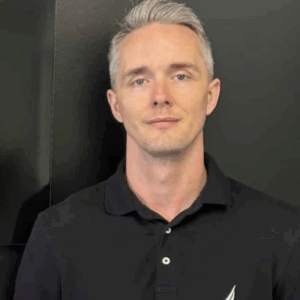
Portrait of Dr. Vahid Osman, Board-Certified Psychiatrist and Addictionologist
Medically Reviewed By
Dr. Vahid Osman, M.D.
Board-Certified Psychiatrist & Addictionologist
Dr. Vahid Osman is a Board-Certified Psychiatrist and Addictionologist with extensive experience treating mental illness, chemical dependency, and developmental disorders. Dr. Osman trained in Psychiatry in France and in Austin, Texas. Read more.
Portrait of Josh Sprung, L.C.S.W.
Clinically Reviewed By
Josh Sprung, L.C.S.W.
Board-Certified Clinical Social Worker
Joshua Sprung serves as a Clinical Reviewer at Louisville Addiction Center, bringing a wealth of expertise to ensure exceptional patient care. Read more.
→ Accreditations & Licenses

Addiction Treatment

Drug and Alcohol Rehab | Louisville Addiction Center

Treatment Programs

Treatment Programs | Louisville Addiction Center

Mental Health Services

Primary Mental Health | Louisville Addiction Center

Areas We Serve

  • Fayette
  • Bowling Green
  • Owensboro
  • Covington
  • Georgetown
  • Richmond
  • Florence
  • Elizabethtown
  • Nicholasville
  • Hopkinsville
  • Jeffersontown
  • Independence
  • Frankfort
  • Henderson
  • Paducah
  • Radcliff
  • Ashland
  • Erlanger
  • Madisonville
  • Winchester
  • Burlington
  • Mount Washington
  • St. Matthews
  • Murray
  • Fort Thomas
  • Shelbyville
  • Danville
  • Shively
  • Berea

What Our Patients Say: Stories of Hope and Recovery

Real Testimonials

Hear directly from those who have walked the path to recovery. Our patients’ stories highlight the compassionate care, effective programs, and life-changing support they’ve experienced. Let their journeys inspire you as you take your first steps toward healing.

Get Directions to Louisville Addiction Center