Prescription medications can be helpful when used as directed, but opioids, benzodiazepines, stimulants, and other medications can also lead to dependence, compulsive use, and serious health risks. Louisville Addiction Center provides structured prescription drug addiction treatment designed around the medication involved, withdrawal risk, mental health needs, and the level of support each person needs to recover.
Treatment may include coordination for medical detox, evidence-based therapy, dual diagnosis care, medication support when clinically appropriate, family involvement, and a step-down plan through PHP, IOP, and outpatient treatment.
Individualized TreatmentPHP, IOP & OutpatientDual Diagnosis Support
Prescription drug misuse includes taking a medication in a higher dose or more often than prescribed, using someone else’s medication, changing how a medication is taken, or continuing to use it despite physical, emotional, or social consequences.
Dependence can develop even when a medication was originally prescribed for a legitimate reason. Over time, tolerance may increase, withdrawal symptoms may appear between doses, and obtaining or taking the medication can begin to occupy more of a person’s day.
Addiction is not defined by the name on the prescription bottle. What matters is how the medication is affecting health, safety, relationships, responsibilities, and the ability to control use.
Prescription Medications Commonly Misused
Different medication classes affect the brain and body in different ways. That is why treatment should account for the specific drug involved rather than treating every form of prescription drug addiction exactly the same.
Prescription Opioids
Oxycodone, hydrocodone, morphine, codeine, and other opioid pain medications can cause tolerance, physical dependence, intense cravings, and potentially fatal respiratory depression.
Medications such as Xanax, Ativan, Valium, and Klonopin can produce significant physical dependence. Abrupt discontinuation after sustained use can be medically dangerous.
Adderall, Ritalin, Vyvanse, and similar stimulants may be misused for energy, concentration, performance, or weight control. Heavy use can affect sleep, mood, blood pressure, and cardiovascular health.
Combining prescription drugs with alcohol, illicit opioids, or other sedating substances can increase overdose and withdrawal risk. Treatment planning should consider the complete pattern of substance use.
Health Risks of Long-Term Prescription Drug Misuse
Long-term misuse can affect nearly every area of health. Opioids can slow breathing and increase overdose risk. Benzodiazepines can impair memory, coordination, and judgment, while stimulant misuse can contribute to anxiety, insomnia, cardiovascular strain, and psychiatric symptoms.
The danger can increase when medications are mixed. Combining opioids or benzodiazepines with alcohol or other central nervous system depressants can intensify sedation and respiratory suppression.
Changes in mood, sleep, pain, anxiety, and cognition can also make it harder to stop without professional support. A clinical assessment helps identify both immediate safety concerns and the factors that need attention during ongoing recovery.
Signs It May Be Time for Prescription Drug Rehab
A single sign does not always mean someone has a substance use disorder, but several changes occurring together can indicate that prescription drug use is becoming difficult to control.
Physical Changes
Needing more medication for the same effect, feeling sick between doses, unusual sedation or stimulation, sleep disruption, or repeated withdrawal symptoms.
Medication-Seeking Behavior
Early refill requests, doctor shopping, hiding pills, borrowing medication, taking someone else’s prescription, or becoming preoccupied with the next dose.
Daily Life Is Being Affected
Missed work or school, financial problems, conflict at home, unsafe driving, legal problems, or withdrawing from activities that once mattered.
Repeated Attempts to Stop
Trying to cut back but returning to use because of cravings, withdrawal, anxiety, pain, insomnia, depression, or other difficult symptoms.
Prescription Drug Detox vs. Rehab
Detox and rehab address different parts of recovery. Drug detox focuses on withdrawal, stabilization, and immediate medical safety. Rehab focuses on the behaviors, triggers, mental health symptoms, relationships, and routines that can drive continued use or relapse.
Some people need medically supervised detox before entering outpatient treatment. This can be especially important with benzodiazepine dependence, significant opioid dependence, polysubstance use, or medical and psychiatric complications.
Louisville Addiction Center can assess treatment needs and help coordinate an appropriate detox placement when a higher level of medical stabilization is necessary before outpatient care begins.
Medical Stabilization
The goal is to manage withdrawal safely and determine whether medication, monitoring, or a gradual taper is needed before ongoing treatment.
After stabilization, treatment focuses on cravings, coping skills, relapse prevention, mental health, family relationships, and building a sustainable recovery routine.
Treatment intensity should match current clinical needs. Louisville Addiction Center uses structured outpatient levels of care so support can change as recovery progresses.
Partial Hospitalization Program (PHP)
PHP provides the highest level of outpatient structure, with frequent clinical programming while allowing clients to return home or to an appropriate living environment outside program hours.
IOP offers substantial weekly therapy with greater flexibility for work, school, family responsibilities, and continued recovery practice outside treatment.
Evidence-Based Treatment for Prescription Drug Addiction
Prescription drug recovery often requires more than stopping the medication. Treatment can address the emotional, behavioral, and environmental patterns that developed around use.
Cognitive Behavioral Therapy
CBT helps identify thought patterns, triggers, and behaviors connected to substance use while building healthier responses to stress, cravings, pain, and difficult emotions.
When anxiety, depression, trauma, or another mental health concern overlaps with prescription drug use, integrated care can address both rather than treating them as separate problems.
Family therapy can improve communication, rebuild trust, establish healthier boundaries, and help loved ones understand how to support recovery without enabling substance use.
Mindfulness, wellness practices, and other holistic approaches can complement clinical care by supporting stress management and healthier daily routines.
Peer-support principles and practical life skills can strengthen accountability, routines, communication, and recovery planning outside formal treatment hours.
Medication decisions should be individualized. For opioid use disorder, medications such as buprenorphine or naltrexone may be considered when clinically appropriate as part of a broader treatment plan that also includes counseling and behavioral support.
Benzodiazepine dependence may require a medically supervised taper rather than abrupt discontinuation. Prescription stimulant recovery may involve monitoring sleep, mood, cardiovascular symptoms, and co-occurring conditions such as ADHD.
Treatment should also include a plan for future medical care. When appropriate and with consent, clients can work toward safer communication with prescribers and a clearer strategy for managing pain, anxiety, sleep, attention, or other conditions without returning to harmful patterns of use.
Treating the Reasons Prescription Drug Misuse Started
Prescription drug addiction often begins in the context of a real problem: pain after an injury, severe anxiety, panic attacks, insomnia, trauma, ADHD symptoms, academic pressure, or another medical or emotional concern.
Recovery is more sustainable when treatment addresses those underlying needs. Simply removing a medication without helping someone manage the condition, stressor, or emotional pain that contributed to misuse can leave the original problem unresolved.
Our treatment planning may include dual diagnosis care, psychiatric support, therapy, family involvement, and practical coping strategies based on the individual’s history and current needs.
Choosing Prescription Drug Rehab in Louisville
Treatment has to work in everyday life. For people in Louisville and surrounding Kentucky communities, recovery may need to fit around employment, parenting, transportation, medical appointments, and a stable living environment.
Structured outpatient care allows clients to practice recovery skills in real-world settings while continuing to receive professional support. As stability improves, a person may step down from PHP to IOP and then outpatient care rather than moving abruptly from intensive treatment to little or no support.
Admissions can help determine whether Louisville Addiction Center is an appropriate starting point or whether medical detox or another level of care should come first.
The cost of treatment varies according to the recommended level of care, length of treatment, insurance benefits, and services included in the plan. Insurance may cover part or much of the cost depending on the policy and medical necessity.
Our admissions team can review benefits and explain what is known about deductibles, copays, coinsurance, and other potential out-of-pocket costs before treatment begins.
Finishing a more structured phase of treatment is not the end of recovery. Continuing care helps clients prepare for stress, cravings, medical appointments, medication decisions, relationship challenges, and other situations that can increase relapse risk.
A strong discharge plan may include continued outpatient therapy, recovery meetings, family support, psychiatric or medical follow-up, relapse-prevention planning, and connections to community resources.
The goal is to leave treatment with more than abstinence. Clients should have a practical plan for protecting recovery when life becomes difficult.
Frequently Asked Questions About Prescription Drug Rehab
Can you become addicted to a medication that was prescribed by a doctor?
Yes. Some medications can cause physical dependence or addiction even when they were originally prescribed for a legitimate medical reason. Risk varies by medication, dose, duration, individual history, and how the drug is used.
Do I need detox before prescription drug rehab?
Not everyone does. Detox may be recommended when withdrawal could be medically risky or difficult to manage safely, including significant opioid or benzodiazepine dependence, polysubstance use, or other medical and psychiatric concerns.
Is it dangerous to stop benzodiazepines suddenly?
Abruptly stopping benzodiazepines after sustained use can cause serious withdrawal and may be medically dangerous. A clinician should evaluate dependence and determine whether supervised stabilization or tapering is needed.
Does prescription drug rehab treat opioid painkiller addiction?
Yes. Treatment can address addiction involving medications such as oxycodone, hydrocodone, morphine, and other prescription opioids. Opioid treatment may also include medication support when clinically appropriate.
Can treatment help with Adderall or other prescription stimulant misuse?
Yes. Treatment can address stimulant misuse through behavioral therapy, relapse prevention, monitoring of mental and physical symptoms, and care for co-occurring concerns such as anxiety, depression, sleep problems, or ADHD.
Can I receive treatment for anxiety or depression at the same time?
Yes. Dual diagnosis treatment can address mental health symptoms alongside substance use when both are present, helping reduce the risk that untreated symptoms will continue to drive medication misuse.
What levels of care does Louisville Addiction Center offer?
Depending on clinical needs, treatment may include partial hospitalization, intensive outpatient, or standard outpatient care. If medical detox or another level of stabilization is needed first, admissions can help coordinate the next appropriate step.
How long does prescription drug rehab last?
There is no single timeline that fits everyone. Length of treatment depends on the medication involved, withdrawal and relapse risk, mental health needs, progress in therapy, living environment, and the level of ongoing support needed.
Does insurance cover prescription drug addiction treatment?
Many commercial insurance plans include behavioral health and substance use disorder benefits. Actual coverage depends on the plan, network status, medical necessity, deductible, copays, and other policy details.
How can family members help someone misusing prescription drugs?
Family members can learn about addiction, avoid sharing medications, keep prescriptions secured, encourage professional assessment, maintain healthy boundaries, participate in family therapy when appropriate, and keep naloxone available when opioid overdose risk is present.
Take the Next Step Toward Prescription Drug Recovery
If prescription medication use is affecting your health, relationships, responsibilities, or ability to feel in control, you do not have to determine the next step alone. Louisville Addiction Center can help assess your needs, explain available levels of care, review insurance benefits, and coordinate a safe treatment plan.
Centers for Disease Control and Prevention. (2024, August 22). Prescription drug data and statistics. U.S. Department of Health & Human Services. Retrieved August 22, 2025, from https://www.cdc.gov/nchs/fastats/drug-overdoses.htm
Centers for Disease Control and Prevention. (2025, March 20). Understanding the prescription opioid overdose epidemic. CDC Overdose Prevention. Retrieved August 22, 2025, from https://www.cdc.gov/overdose-prevention/
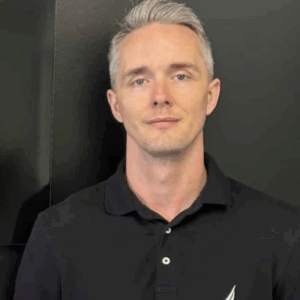
Dr. Vahid Osman is a Board-Certified Psychiatrist and Addictionologist with extensive experience treating mental illness, chemical dependency, and developmental disorders. Dr. Osman trained in Psychiatry in France and in Austin, Texas. Read more.
Clinically Reviewed By
Josh Sprung, L.C.S.W.
Board-Certified Clinical Social Worker
Joshua Sprung serves as a Clinical Reviewer at Louisville Addiction Center, bringing a wealth of expertise to ensure exceptional patient care. Read more.
Your Insurance May Cover The Cost Of Detox and Rehab
Complete a free, confidential Verification of Benefits to learn more about what resources may be available to you.
What Our Patients Say: Stories of Hope and Recovery
Real Testimonials
Hear directly from those who have walked the path to recovery. Our patients’ stories highlight the compassionate care, effective programs, and life-changing support they’ve experienced. Let their journeys inspire you as you take your first steps toward healing.
For anyone who is serious about Recovery from Substance Use Disorder, there is an answer here. This place has a licensed therapist, and plenty of support staff to help me on my journey. They have provided resources. And the supportive housing is first rate.
I would recommend this place for sure especially their PHP program, it was my very first time coming here and to be honest i was very nervous and scared but it was actually a lot more welcoming than i thought and i think theres alot of good people here, and alot of people that help, especially the therapists, ive done 3 full months as a teen and i would say it was definitely a life changing experience and i made so many connections and friends, and i just took so much from this place, and i learned so much about myself as well, 100% recommend PHP and their IOP program.
I enjoyed the virtual IOP treatment more than I thought I would. It worked well with my work schedule and I got to be comfortable at home as well as being comfortable in the group. I was able to connect and exchange information with my peers and expand my recover/Sobriety network!
LAC was great. I participated in the evening groups through zoom, which I originally had reservations about. Even though the meetings were online, they were still very engaging, informative, and personal. The therapist and case manager were incredible. They were both very authentic and supportive, and they were easily available when we needed them. I am very appreciative and grateful for this program.
I’ve had great success with the individuals i’ve sent to LAC. I’ve been impressed with the smooth Admissions process in the stressful situations. The compassion they receive after arriving and the level of care is as good as anywhere out there. Most definitely will continue to use LAC
I have nothing but positive things to say about LAC. I went there not expecting too much and I left there with what feels like a family. Everyone is so nice and extremely down to earth. You will be in good hands at LAC
This is 5 star facility. The staff is one of a kind, the program is exactly what you are looking for. Call these people today if you or someone you know is struggling!
Would highly recommend LAC to anyone struggling with addiction. They offer a supportive environment that allows you to focus on your recovery and becoming a productive member of society.
LAC is an amazing treatment facility. Truly a 5 * place for treatment. From ownership, leadership to general staff this place is incredible. The therapist, Techs and speakers are all first class. The housing, if doing PHP like I participated in was also perfect. I met so many incredible people. It’s unreal to be honest. I today this day still stay in contact with most residents who I attended with. Thank you LAC for not only all of your help but also continued support!!!
Brad Franzman
Louisville addiction center is a wonderful facility for anyone struggling with substance use disorders. The staff is wonderful and client care is most important. If you or a loved one are struggling I would highly recommend this place.
This is an awesome place for anyone struggling with a substance use disorder. It is a beautiful facility, conveniently located to all Louisville has to offer. The staff members are kind and helpful, it is easy to tell they truly want to help you recover. 10/10 recommend this programming if you are ready to make a change.
Beautiful facility that is run by a staff that truly cares. If you or a loved one is struggling with SUD and are close the the greater Louisville area, LAC will without a doubt provide you will the tools needed to have a sober, successful life.
I had the opportunity to tour and attend the open house for Louisville Addiction Center on 2/22/23. As and individual in recovery and also working for SUD, I couldn’t be more impressed with the facility and approach that LAC is taking and offering those affected by substance abuse. If you or a loved one is struggling, this facility would provide the treatment, love and comfort your family member deserves.